An electrical insulator is a material or component that resists electrical conduction and separates parts at different electrical potentials. In power systems, insulators also provide mechanical support for conductors and maintain separation from grounded structures.
The purpose of an insulator in a power system is to keep energized conductors electrically separated from grounded supports while holding them in the required position. Its electrical and mechanical functions work together.
Electrical insulation should not be confused with thermal or acoustic insulation. A material’s resistance to heat transfer does not establish its suitability for high-voltage electrical service.
| Material | Typical construction | Selection considerations |
|---|---|---|
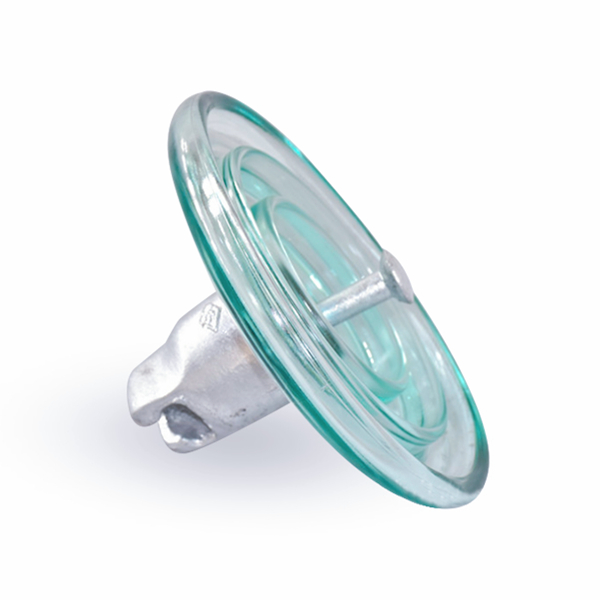
| Toughened glass | Suspension or tension disc units | Profile, mechanical rating, creepage and fittings |
| Porcelain | Disc, pin, post and equipment insulation | Dimensions, strength, pollution duty and test requirements |
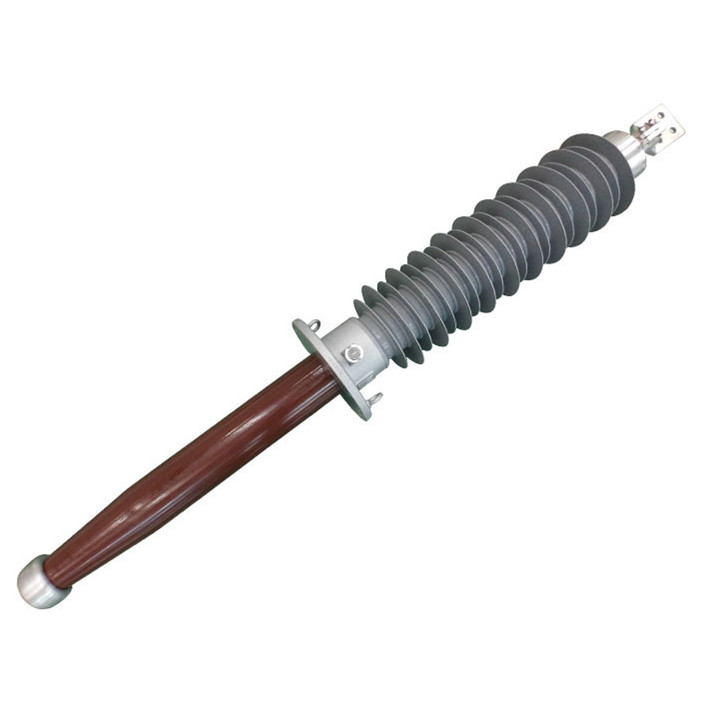
| Composite | Insulating core with polymer housing | Housing condition, sealing, mechanical duty and environment |
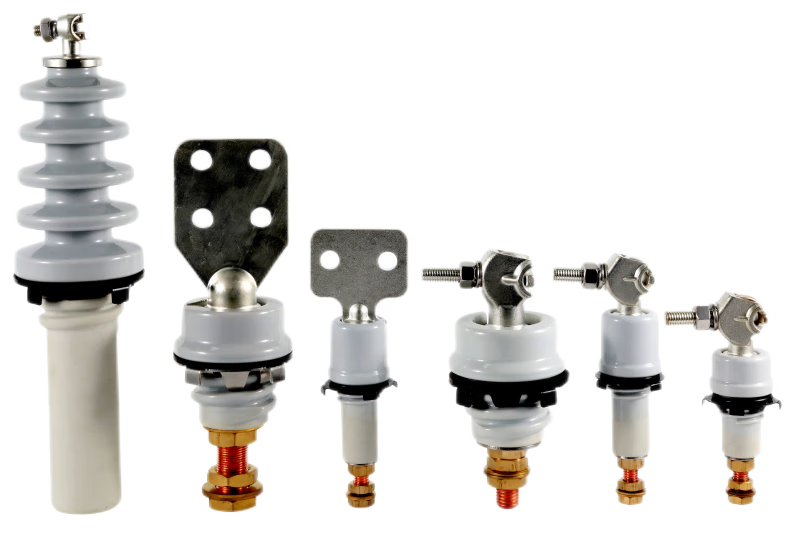
Overhead lines use insulators to support conductors in suspension, tension and other arrangements. Substation equipment uses insulating supports and housings. A bushing has the related, more specific role of allowing a conductor to pass through a grounded barrier.
Selection requires more than choosing a material. Confirm the installation function, electrical duty, mechanical loading, creepage distance, pollution conditions and connection hardware. Use product drawings and test requirements to verify compatibility.
A conductor, such as copper, allows current to flow readily. An electrical insulator resists current flow. In a power line, the conductor carries electricity and the insulator separates it from the supporting structure.
Examples in power systems include toughened glass suspension discs, porcelain pin or post insulators, and composite line insulators with polymer housings. The finished component must suit the voltage, load and environment.
Review the NJREC glass insulator range and contact us with the electrical rating, application, dimensions or drawing, quantity and delivery destination. Product suitability should be confirmed against the project specification.