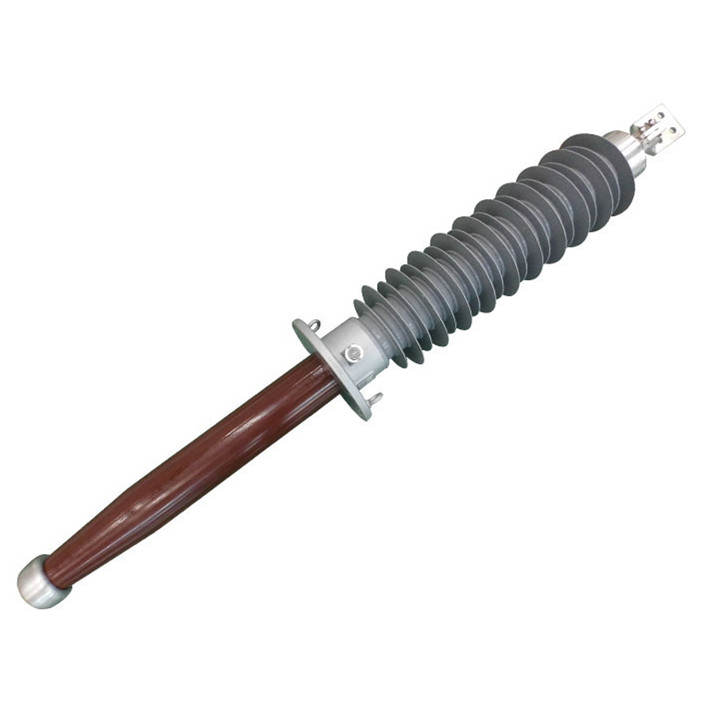
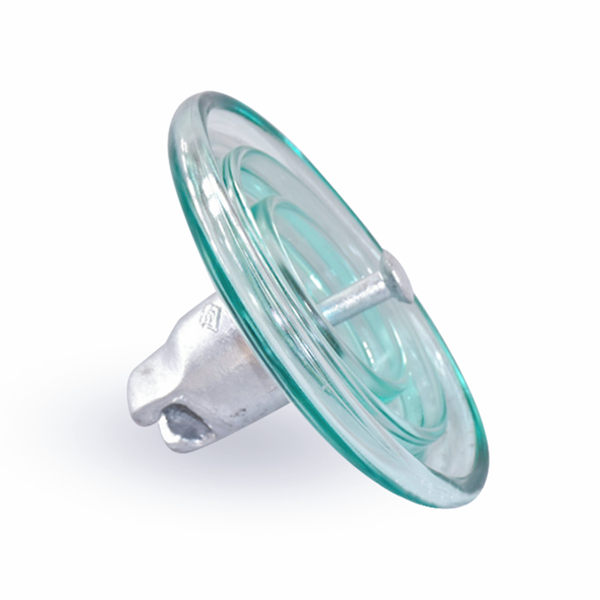
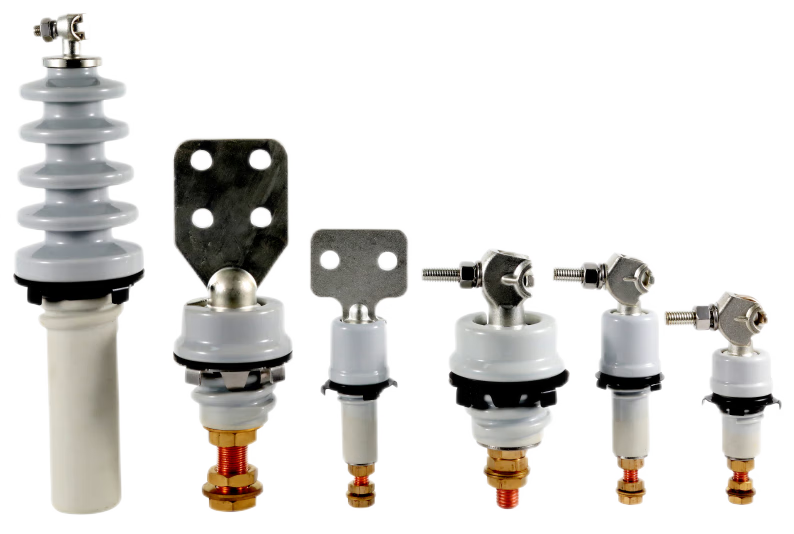
The RIS bushing utilizes a finely graded condenser design and a core insulation that is composed of fiberglass impregnated with epoxy resin wrapped between capacitive screens.
What is the Difference Between RIS and RIF?RIS which stands for Resin Impregnated Synthetic is the industry’s generic terminology for the dry type (non-oil), paperless bushing. RIF which stands for Resin Impregnated Fiberglass is a registered trademark name for the dry type (non-oil), paperless insulation technology developed by RHM International. Even though the RIF bushing falls within the RIS category of bushings it is a distinctive technology that offers many unique advantages over the other RIS bushings currently on the market. The RIF bushing technology is the more mature bushing technology, introduced to the market in 2003 and having over 22,000 units installed worldwide. The RIS bushing is a relative newcomer which was introduced to the market in 2014. A major difference between RIS and RIF is how the condenser core is manufactured. The RIS bushing condenser cores are wound with synthetic fabric after which the wound condenser core is encapsulated under vacuum where it is impregnated.
Resin-Impregnated Structure and Dry-Type Design
This product adopts a dry-type condenser structure using fiberglass and epoxy resin as the core insulation material. The insulation core is wrapped with capacitive screens and vacuum-sealed without any oil or paper layers. The bushing follows the RIS concept, referring to Resin Impregnated Synthetic construction, with a structure engineered for internal stability and predictable dielectric response. Unlike traditional oil-based insulation, this product ensures high thermal endurance and long-term stability under voltage stress. Its design avoids pressure management systems and enables safer handling and operation. With its optimized insulation profile, this dry Capacitive Bushing is suited for power systems that require paperless and non-liquid insulation for long operating cycles and stable performance.
Fiberglass Winding and Internal Encapsulation
The RIS bushing uses a core that is wound with synthetic fabric and encapsulated under vacuum with epoxy resin. This production approach creates a sealed solid body with tightly controlled layer formation and integrated capacitive grading. The condenser structure distributes electrical fields evenly through the cross-section, helping prevent partial discharge and reducing aging due to electrical stress. Unlike traditional bushing transformer products that rely on oil or paper, the use of fiberglass and resin ensures dimensional stability and resistance to insulation failure caused by moisture or mechanical movement. These features are vital in installations that require continuous dielectric protection without additional containment structures.
Technological Differentiation from Similar Variants
While the RIS format belongs to the broader category of dry, paperless bushings, it is distinct from other implementations such as RIF (Resin Impregnated Fiberglass). RIF uses a proprietary fiberglass technology with earlier market adoption, while RIS bushing designs use synthetic fabric in the condenser winding. NJREC provides this RIS-based epoxy resin bushing for applications where composite insulation is necessary but mature fiberglass variants are not preferred. The product was introduced to the market in 2014 and has since gained use in environments requiring modern, dry-type electrical bushing setups that eliminate oil exposure and related safety components.
Product Advantages
Oil-Free and Paperless Internal System
The bushing's structure excludes both mineral oil and paper, removing the need for containment, conservators, or fluid monitoring. This configuration ensures safety and cleanliness during operation while preventing insulation degradation from moisture or oil leakage. Its dry-type system also improves environmental compliance and reduces contamination risk during service or transport. These characteristics are essential for users seeking Capacitive Bushing models that reduce the long-term environmental footprint and align with evolving utility maintenance strategies.
Vacuum-Cured Solid Core for Field Stability
All RIS bushings use epoxy resin cured under vacuum conditions, eliminating internal voids and enhancing insulation uniformity. This construction maintains its dielectric strength over extended use and protects against internal corona discharge. It also minimizes expansion or contraction due to temperature shifts. The winding and resin process reinforce mechanical durability and dielectric balance. For engineers working with bushing transformer systems under thermal load, this method ensures stable performance without pressure-related failures or internal material migration.
Modern Manufacturing and Risk Reduction
Compared with older insulation technologies that depend on paper and oil, this bushing integrates newer material science and manufacturing processes to reduce operational risk. Its condenser core is built using synthetic fabric and wrapped with graded capacitive layers to form a balanced electric field. This method lowers the risk of dielectric stress concentration and extends operating life. These design elements position it as a dependable wholesale capacitive bushing alternative for energy infrastructure, especially where system operators aim to reduce service intervals and avoid pressure-related equipment.
Use Scenarios
Installation in Paper-Free Transformer Systems
In transformers designed to use dry-type bushings, the RIS product provides a robust option where oil or paper is restricted or not preferred. Its structure matches systems built with synthetic insulation layers and non-pressurized containment. This makes it especially compatible with modern transformers using sealed tank designs. The lack of internal oil enhances safety during operation and transport. These features align with updated deployment protocols requiring dry High Voltage Bushing and paperless insulation components without added cooling or sealing complexity.
Retrofit Projects Replacing Aging Paper-Insulated Units
The RIS bushing provides an effective alternative for replacing OIP or RIP units that have deteriorated over time. With aging paper posing insulation failure risks, especially in systems exceeding their design lifespan, RIS bushings offer a way to upgrade to dry-type systems. Their internal epoxy structure does not degrade in the same way as paper, reducing the probability of short circuits or discharge incidents. For facilities managing older bushing transformer networks, the RIS option reduces future maintenance while increasing system insulation stability.
Compact Equipment and Weight-Sensitive Use Cases
Due to its dry structure and lack of fluid-based insulation, the RIS bushing is lightweight and suitable for installations with structural weight limitations. This includes compact substations, mobile transformers, and overhead systems where total mass must be controlled. The absence of oil also simplifies shipping, handling, and storage, eliminating the need for liquid containment or protective packaging. In these contexts, a paperless, dry-type Low Voltage Bushing or mid-voltage Capacitive Bushing offers a practical balance between performance and structural adaptability.
About Us
Nanjing Rainbow Electric Co., Ltd (NJREC), established in 2005, manufactures electrical insulation products for transmission and distribution systems. The company offers a range of transformer bushings including Capacitive Bushing models such as OIP, RIP, RIS, and dry-type variants. Its product development spans wall bushings, high-current bushings, and oil-to-gas types across voltages up to 1100 kV. NJREC maintains in-house capacity for fiberglass winding, vacuum resin processing, and dimensional testing, ensuring consistency with international quality benchmarks. With more than 500 customers in over 40 countries, NJREC supports system integrators and utility companies requiring durable, standardized electrical bushing components. The company’s dry-type RIS products represent a shift toward safer, oil-free infrastructure with reduced maintenance requirements and improved insulation behavior over long service cycles.
FAQ
What type of insulation does the RIS bushing use?
It uses epoxy resin-impregnated synthetic fabric wound around capacitive screens.
Is the product completely free of oil and paper?
Yes, the RIS bushing contains no oil or paper, offering a dry-type construction.
What distinguishes RIS from RIF bushings?
RIS uses synthetic fabric insulation, while RIF uses fiberglass; both are dry-type but structurally different.
When was RIS technology introduced to the market?
The RIS bushing format was introduced in 2014 and is newer than RIF-based products.
Does this bushing support condenser core measurement?
Yes, the bushing includes capacitive layers wrapped around a condenser core for field control and grading.