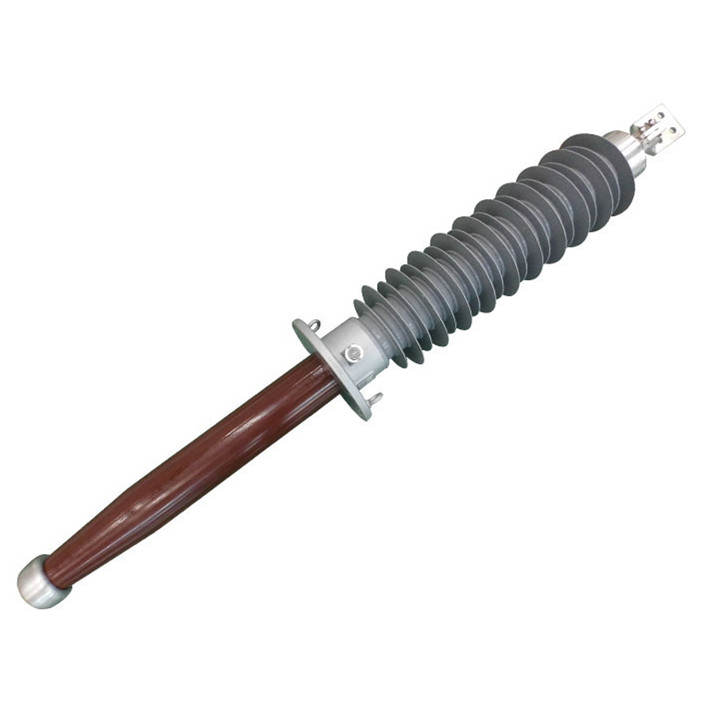
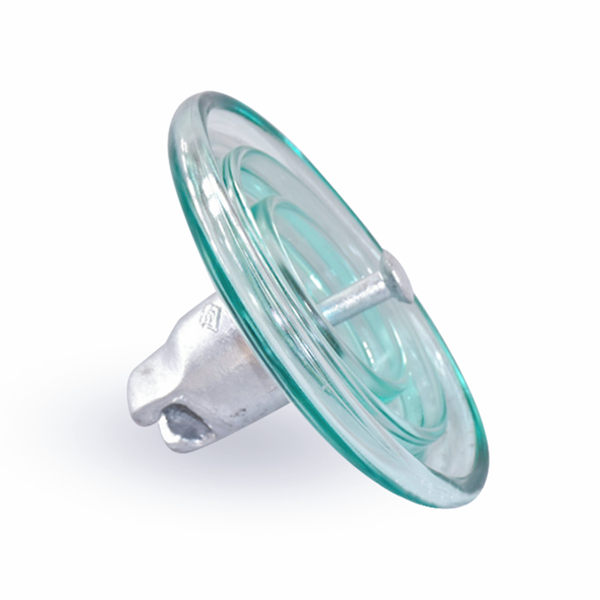
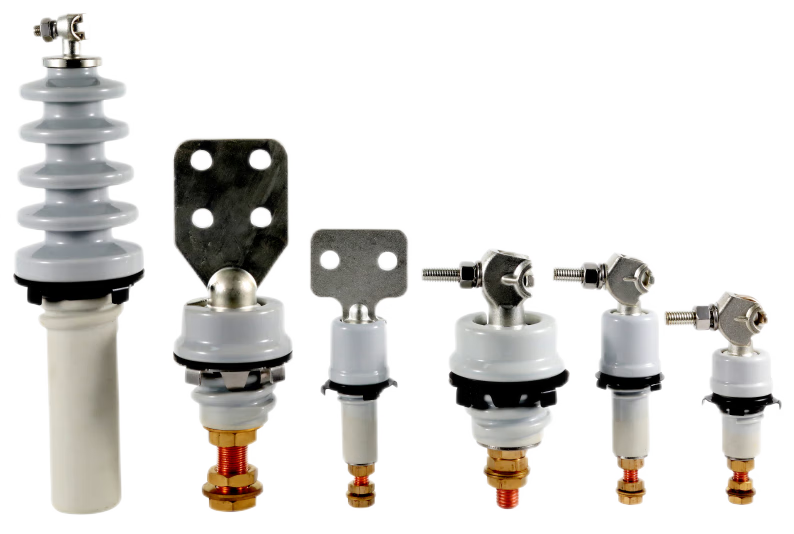
Oil-air bushing is mainly used for power transformer as current carrier for leading in andout current of high voltage side, middle voltage side and low voltage side of transformeras well as insulate the oil tanks of power transform.
Oil-oil bushing is mainly used in power transformer and rectifier transformer, connecting cable through transition conservator as well as insulate oil tanks and transition conservator of power transform .
Oil- SF6 bushing is mainly used as transition connector for oil power transformer to GIS or SF6 bus. One end of bushing is in oil, the other end is in SF6 during operation. The Max. temperature for SF6 medium should be 40 ℃ , should be not more than 0.55Mpa(gauge pressure)
Wall bushing is mainly used in power station and substation for high voltageconductor pass through wall or floor.Dry wall bushing is solid insulation, with advantages of good antipollutionperformance, high reliability,no oil leakage, no environment pollution, small size.light weight, easy mounting and maintenance-free.
RIP DC bushing uses resin impregnated paper process, and applied to all voltage levels bushing. The condenser core of this bushing is cured after impregnated with resin epoxy under high vacuum .With advantages of high mechanical strength, strong seismic resistance capability, good thermal stability, reliable insulation, low partial discharge, easy mounting and maintenance.
RIP DC bushings are applied in many DC projects and have broad market prospects.
Comprehensive technical capability of RIP DC bushings produced by our company reach the international advanced level, with independent intellectual property rights. Our RIP DC bushings can replace imported products.
Product Advantages
Oil-Free and Gas-Free Configuration
One of the major advantages of this RIP bushing is its solid internal structure, which does not include oil or gas. This design reduces the chance of internal failure caused by fluid leakage or pressurization. It also lowers the burden on external equipment such as pressure relief devices or oil conservators. The absence of fluid enables safer operation in a wider temperature range and prevents environmental pollution from insulation material breakdown. For users replacing traditional Condenser bushing units with solid Capacitive Bushing types, this configuration offers enhanced reliability.
Strong Mechanical Properties and Mounting Flexibility
Each bushing is constructed with high mechanical strength, allowing it to perform in installations with varying structural support. The sealed insulation core and composite or porcelain exterior provide strong resistance to torsional and lateral loads, as well as seismic disturbance. The design supports mounting at different angles depending on space availability or system layout. This makes the product well-suited for compact spaces and vertical or inclined configurations. For technicians working with High Voltage Bushing components in environments with vibration or limited mounting clearance, this design allows more stable placement and lower operational risk.
Reduced Maintenance and Environmental Impact
As a dry-type product, this bushing eliminates the need for fluid inspection, oil sampling, or leak monitoring during its lifecycle. It also minimizes maintenance routines by removing variable-pressure components from the installation. The solid insulation does not degrade under normal atmospheric conditions and maintains its properties even under heavy electrical cycling. These features support long-term deployment in critical systems. The structure’s light weight and ease of handling reduce installation overhead. These qualities are significant when sourcing wholesale capacitive bushing options intended for permanent or difficult-to-access equipment.
Use Scenarios
Dry Wall Conductor Pass-Through Systems
In substation and power station applications where a conductor must pass through a wall or floor, the RIP wall bushing type provides a sealed, stable path without requiring oil or gas-based insulation. These versions are typically rated from 72.5 kV to 363 kV and support solid barrier installations. This makes them ideal for high-density areas requiring compact solutions with pollution resistance. The anti-pollution exterior and sealed internal structure align with operational needs where routine inspection is limited. These features are particularly aligned with long-life Low Voltage Bushing and mid-voltage electrical bushing projects needing solid interface points.
Interface Between Oil and Gas-Insulated Equipment
The oil to SF6 RIP type supports systems that require transition between oil-insulated transformers and SF6 switchgear. One end operates in an oil-filled chamber, and the other in SF6 gas. The insulation core maintains structural and electrical stability at gas pressures up to 0.55 MPa and operating temperatures below 40 °C. This setup enables equipment design without intermediate joints. This configuration is practical in transmission-level projects requiring Capacitive Bushing units to perform between different dielectric environments without auxiliary protection components or complex sealing methods.
High-Current Converter or Generator Links
In installations such as HVDC converter stations or large generators, the RIP high-current version supports connections requiring large conductor diameters and strong insulation performance. These versions are rated from 24 kV to 40.5 kV for heavy current, or up to +800 kV for converter use. The RIP dry core resists thermal deformation and partial discharge under elevated current levels. With no oil movement and stable dielectric characteristics, the bushings are suitable for indoor or outdoor use. These types help infrastructure developers who require bushing transformer options capable of managing both voltage stress and high current.
About Us
Founded in 2005, Nanjing Rainbow Electric Co., Ltd (NJREC) develops and manufactures electrical insulation equipment for power systems. Its catalog includes a broad selection of bushings such as Capacitive Bushing, OIP, RIP, and RIS models, covering voltages from 24 kV to 1100 kV. NJREC also produces wall bushings, epoxy resin bushing types, and transformer insulation accessories. With a manufacturing base supporting resin casting, composite molding, and porcelain shaping, the company ensures product consistency and compliance with IEC and other relevant standards. Its RIP dry-type condenser bushings are supplied globally to meet growing demand for oil-free, environmentally compatible insulation solutions. Over 500 clients across more than 40 countries use NJREC products in transmission, substation, and distribution applications. The company’s engineering capabilities include design customization, test lab validation, and continuous quality inspection to support durable and safe electrical bushing use in modern infrastructure.
FAQ
What insulation method is used in this bushing?
The bushing uses resin-impregnated paper insulation cured under vacuum into a solid condenser core.
What voltage levels are supported?
Standard types are available from 24 kV to 1100 kV depending on the product category.
What types of external shells are available?
Both porcelain and composite housings are offered based on the use environment and rating.
Is this product suitable for oil and gas applications?
Yes, models are available for oil-air and oil-SF6 configurations to support interface installations.
Does the RIP bushing require fluid maintenance?
No, it is fully oil-free and gas-free and does not require maintenance for pressure or liquid inspection.