

Introduction: Epoxy bushings offer robust insulation, mechanical strength, and versatile connectors, enhancing reliability and reducing maintenance in complex transformer networks prone to faults.
When a power network experiences frequent faults and insulation failures, downtime and expensive repairs quickly accumulate, putting pressure on system reliability. Ignoring issues in transformer bushings can lead to catastrophic damage and operational disruptions. In such high-stakes environments, selecting the right components is critical to maintaining continuous function. Among the essential elements, epoxy bushings designed for complex transformer networks stand out by addressing vulnerabilities in insulation and mechanical stability. Transformer bushing manufacturers and transformer bushing suppliers who focus on durable solutions play a vital role in sustaining robust power delivery systems within these challenging contexts.
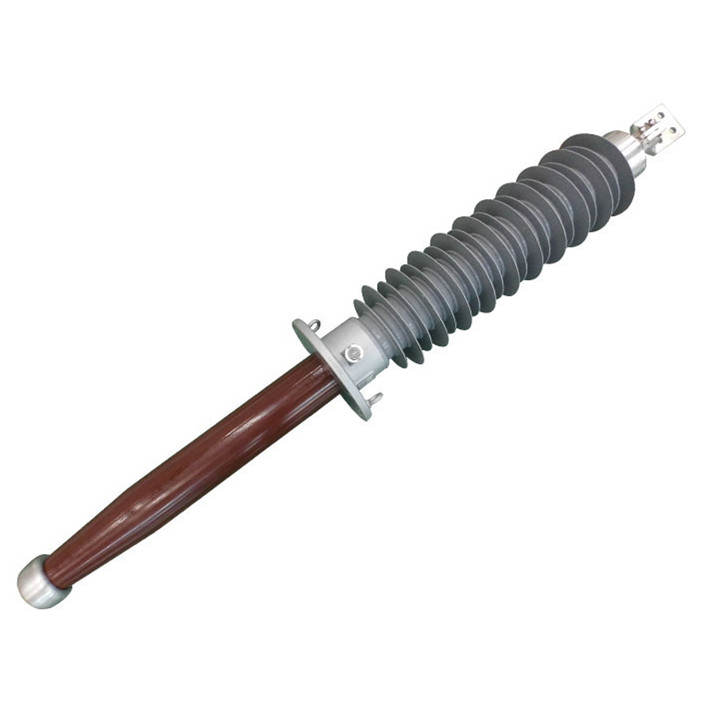
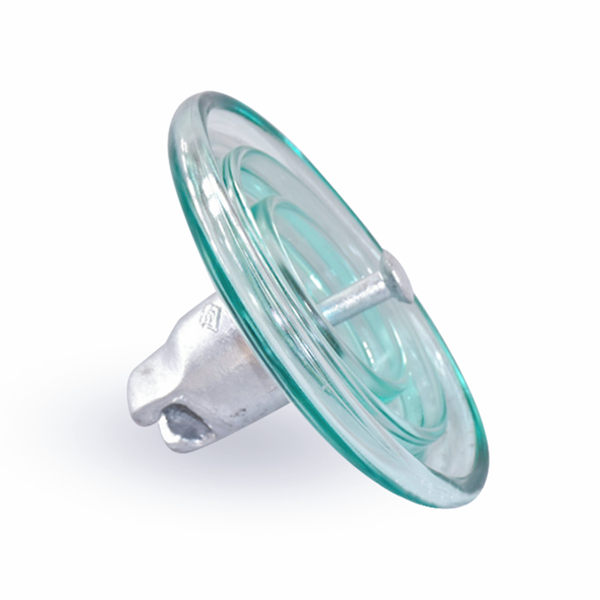
Selecting the appropriate insulator for transformers hinges on balancing material properties, installation environment, and electrical demands. Traditionally, porcelain bushings have been a staple thanks to their excellent dielectric strength and mechanical robustness under high-voltage conditions. However, epoxy bushings are increasingly recognized for their flexibility and resistance to environmental stresses, especially in complex network setups where vibration and thermal cycling are common. Transformer bushing manufacturers emphasize epoxy’s ability to form seamless insulation barriers that prevent moisture ingress, reducing degradation over time. Meanwhile, transformer bushing suppliers often recommend epoxy for situations requiring compact profiles and easier handling compared to the heavier porcelain units. Though porcelain offers proven long-term performance with glazed surfaces resisting contamination, epoxy presents advantages in ease of customization and sometimes a longer lifespan in corrosive or high-humidity settings. The decision to use epoxy versus porcelain reflects a strategic trade-off among electrical performance, mechanical strength, and environmental resilience, with both types representing reliable options depending on the precise network conditions.
Power transformers operate under continual electrical stresses and must withstand mechanical forces resulting from internal currents and external impacts. Transformer bushing manufacturers prioritize materials and designs that provide sustained mechanical strength alongside reliable electrical insulation. Epoxy bushings are engineered to resist cantilever loads and radial forces commonly encountered in transformer installations within complex networks. Their one-piece construction avoids joints that could weaken under repeated stress. Transformer bushing suppliers highlight that epoxy’s homogenous structure also delivers consistent dielectric properties, maintaining electrical integrity during voltage surges or transient faults. This is crucial in safeguarding the transformer’s performance and preventing ripple effects throughout the network. The compatibility of epoxy with different connector variants further enhances its adaptability for retrofit and replacement scenarios, where ensuring electrical continuity without compromising mechanical ruggedness is essential. Overall, the mechanical and electrical demands of high-voltage applications call for bushings that combine precision manufacturing, quality materials, and versatile configurations, all attributes that leading transformer bushing manufacturers strive to deliver.
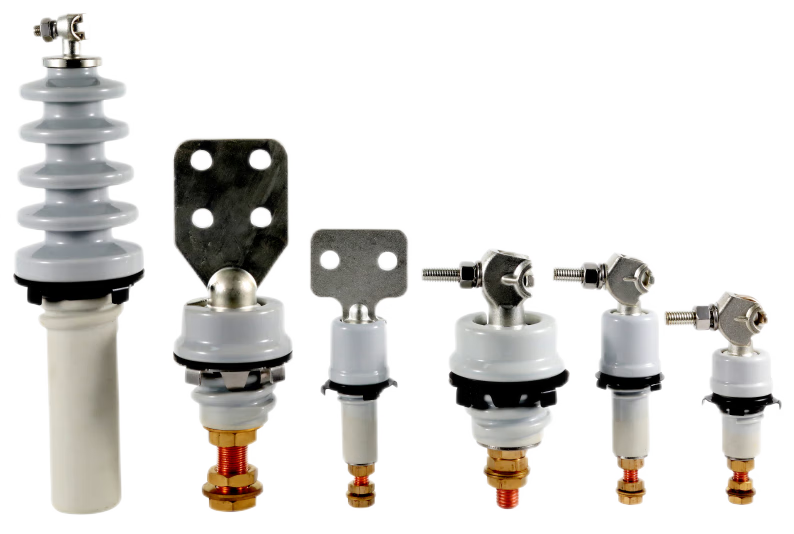
In complex electrical networks, flexibility during retrofitting or replacement becomes a priority. Transformer bushing suppliers provide a variety of connector types designed to fit diverse transformer layouts and connection standards. Epoxy bushings often come with options such as eyebolt, spade, threaded stud, and sidewall connectors, allowing technicians to choose configurations that minimize installation challenges or reduce downtime. Transformer bushing manufacturers understand the importance of these variants in ensuring seamless integration with existing systems, especially when upgrading aging equipment or adapting transformers to new operational requirements. The modular nature of these connector choices facilitates maintenance and repair work by reducing the need for extensive rewiring or structural modifications. Additionally, epoxy bushings’ material properties enable better mechanical accommodation for varying connector geometries, ensuring stable electrical contacts and long-term durability. This adaptability is a significant reason why transformer bushing suppliers frequently recommend epoxy units for complex retrofit projects, where maintaining network reliability and meeting evolving specifications is critical.
Carefully selecting epoxy bushings from respected transformer bushing manufacturers and transformer bushing suppliers addresses the challenges of maintaining complex power networks. These bushings offer a balance of robust mechanical design, dependable electrical insulation, and versatile connector options. Their resilience against environmental and operational stresses supports stable transformer function and reduced maintenance needs, creating confidence in network dependability. The seamless integration of quality materials with practical configurations highlights the thoughtful engineering behind these components, promising continuity even in the most demanding transformer applications. Exploring these technical attributes further uncovers how transformer bushing suppliers and producers continue refining solutions to meet tomorrow’s power delivery challenges.