

Introduction: Fog type glass insulators with extended creepage distances and hydrophobic coatings improve transmission line durability by reducing contamination and preventing arc discharges in harsh coastal environments.
As the seasons shift towards wetter and more saline conditions, electrical infrastructure often faces increased challenges from environmental stressors. Coastal stormy months bring salt fog and moisture that can severely degrade the reliability of power transmission. In such times, the choice of insulating components becomes critical. An electrical insulator manufacturer offering fog type glass insulators tailors these products to withstand contamination and minimize maintenance needs. These insulators, provided by a skilled glass insulator supplier such as NJREC Bushings, offer the extended creepage distances and self-cleaning surfaces essential for durable, stable performance in wet and polluted conditions, making them a timely solution as harsher climates recur.
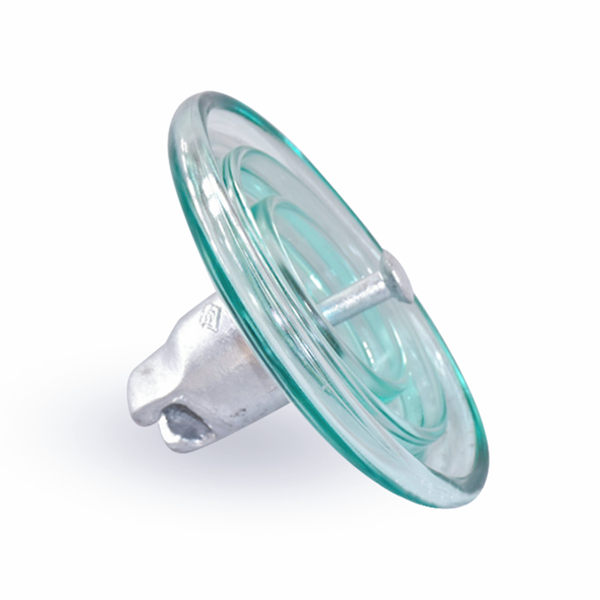
Fog type glass insulators from a reputable electrical insulator manufacturer stand out by addressing the shortcomings of standard profiles when exposed to heavy pollution and coastal salt fog. Unlike standard glass insulators that feature smaller ribs designed for regions with mild contamination, fog type designs incorporate longer and more widely spaced under-ribs that dramatically increase the creepage distance. This extended surface area reduces surface contamination accumulation and the risk of conductive paths forming during wet weather, a common concern in industrial and marine atmospheres. The glass insulator supplier's use of toughened glass combined with hydrophobic coatings greatly enhances the insulator's ability to repel water and resist discharge phenomena such as partial arcs. These properties help maintain dielectric strength, reduce leakage currents, and prevent flashovers that could otherwise interrupt transmission. Moreover, fog type insulators are designed with mechanical resilience for high-voltage lines ranging from medium to ultra-high voltage levels, meeting the needs of industrial power grids that require both physical durability and reliable insulation in aggressive environmental settings.
One prominent challenge in transmission line insulation is the occurrence of arc bridging and partial discharges, especially when pollution layers and moisture conspire to create conductive paths. The development of fog type glass insulators by distinguished electrical insulator manufacturers focuses keenly on mitigating this risk. By extending and spacing under-ribs more widely than on conventional designs, these insulators effectively interrupt the formation of continuous surface layers that enable arc bridging. This design attribute not only lengthens the leakage paths but also reduces the likelihood of partial discharges, which can degrade insulator materials over time and precipitate failure. The hydrophobic surface treatment provided by glass insulator suppliers further diminishes the adhesion of contaminants and moisture, thereby maintaining the electrical clearance necessary for stable insulation performance. Since arc events often accelerate equipment deterioration and increase maintenance burdens, employing fog type insulators represents a strategic approach that enhances the endurance of transmission lines while minimizing operational disruptions. This makes them particularly suitable for power utilities operating in coastal or heavily industrialized zones where pollutant concentrations combined with moisture create challenging electrical conditions.
The use of toughened glass in fog type insulators is also a critical factor that improves safety and operational efficiency for maintenance teams. Glass insulators from experienced electrical insulator manufacturers exhibit a self-breaking characteristic, which means that in the case of mechanical shocks or electrical faults, they fracture visibly without shattering dangerously or causing ambiguous damage. This feature allows field operators to easily identify defective units and address faults promptly, supporting rapid response and minimizing downtime. A glass insulator supplier's choice of high-strength glass further ensures that insulators can withstand substantial mechanical stresses during installation and operation while still maintaining fracture visibility for fault detection. Additionally, the natural hydrophobic and self-cleaning properties of these materials reduce the buildup of dust, grime, and salt deposits, lowering the risk of hidden faults caused by insulator contamination. For utilities managing transmission lines across difficult-to-access areas, the visibility of faults combined with reduced maintenance frequency contributes to safer and more cost-effective system management. Over time, these combined attributes foster greater confidence in the network's reliability despite the environmental challenges encountered.
The seasonal rise in coastal humidity and industrial pollution places particular stress on transmission line insulation, making the integration of fog type glass insulators a prudent adaptation. Electrical insulator manufacturers specializing in these products ensure that critical factors such as contamination resistance, mechanical durability, and fault visibility are comprehensively addressed. When a glass insulator supplier integrates these design elements with hydrophobic surface treatments and robust glass materials, the resulting insulators exhibit enhanced durability and operational reliability. As energy infrastructures continue to evolve to meet growing demands amid environmental pressures, these technical advancements in insulator design provide essential support. Maintaining clean, stable, and well-monitored insulation will remain a hallmark of resilient power transmission networks as conditions fluctuate. The continued use and development of fog type glass insulators by specialist electrical insulator manufacturers and glass insulator suppliers serve as a foundational step towards more dependable and easily maintained electrical grids in challenging environments.
• Glass Insulator - Explore a wide range of glass insulators designed for durable and reliable electrical insulation solutions.
• Wall Bushing - Discover wall bushings that complement transmission line components for enhanced electrical safety.
• Capacitive Bushing - Learn about capacitive bushings that improve insulation performance in high-voltage applications.
• Transformer Bushing - Find transformer bushings engineered for optimal durability and electrical efficiency.
• Request Quote - Contact us to request a quote for specialized insulators tailored to your transmission line needs.