

Utility Procurement Reference
Wall Bushing Supplier for 52 kV to 362 kV Projects
NJREC wall bushings are positioned for transformer, switchgear, and substation teams that need a reliable conductor passage through grounded barriers while keeping insulation performance under control. This page focuses on practical selection points for voltage class, current band, insulation structure, and external housing when evaluating a wholesale capacitive bushing source for project procurement.
The published range covers 52 kV to 362 kV and 630 A to 12,500 A, with RIP or RIS internal insulation and polymer or porcelain external insulation. That makes this capacitive bushing offer relevant for new equipment builds, replacement planning, and specification review where dimensional fit, dielectric stability, and installation conditions all need to be checked before RFQ release.
NJREC also lists indoor-indoor, outdoor-indoor, and outdoor-outdoor arrangements together with IEC 60137:2017 as the cited standard reference, giving buyers a clearer starting point for technical alignment, documentation review, and supply discussions with engineering stakeholders.

Media and Technical Review
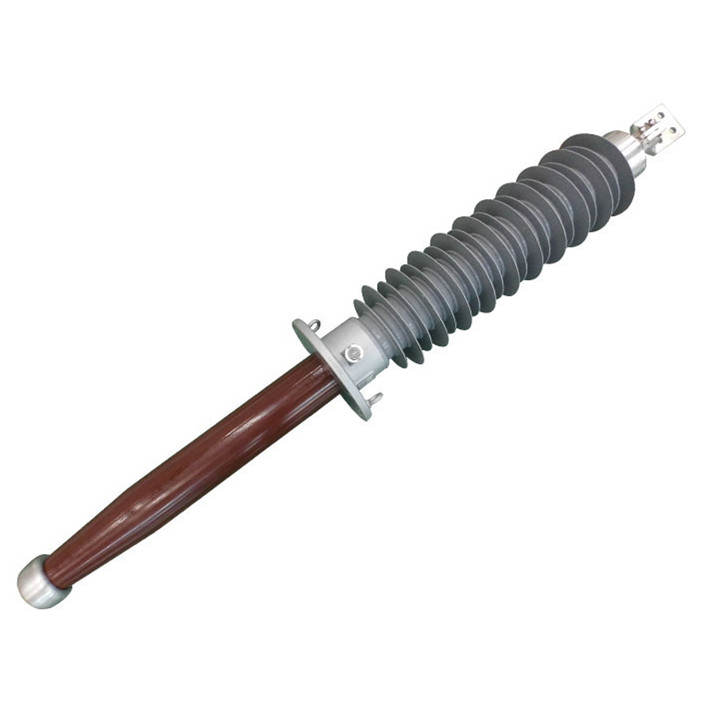
The published product details point to a high-voltage wall bushing program used where conductors must cross grounded barriers without compromising insulation integrity, mechanical stability, or installation planning.
Product Reference Image
Description
Wall bushings act as insulated interfaces between energized conductors and grounded walls, tanks, or partitions inside power equipment. For sourcing teams, the practical value is not only the voltage and current band, but also how well the design fits site conditions, conductor routing, insulation expectations, and maintenance access. NJREC presents this range as suitable for high-voltage transformer and switchgear environments where reliable passage through structural barriers is a central design requirement.
Product Specifications
| Product | Wall Bushing |
|---|---|
| Item No. | 00361 |
| Rated Voltage | 52 kV to 362 kV |
| Rated Current | 630 A to 12,500 A |
| Internal Insulation | RIP or RIS according to requirement |
| External Insulation | Polymer with UV-protected silicone rubber or porcelain |
| Installation Types | Indoor-indoor, outdoor-indoor, outdoor-outdoor |
| Referenced Standard | IEC 60137:2017 |
| Typical Equipment Context | Transformers, substations, switchgear assemblies, barrier penetrations |
| Project Confirmation Items | Dimensions, conductor details, drawings, test documents, terminal interfaces, site environment |
Core Supply Advantages
Wide Project Coverage
The listed 52 kV to 362 kV range and 630 A to 12,500 A current band give procurement teams a broad base for comparing one source against multiple transformer and switchgear programs.
Material Choice for Site Conditions
RIP or RIS internal insulation, together with polymer or porcelain external insulation, helps buyers align the bushing structure with installation environment, maintenance preference, and qualification standards.
Clear Technical Starting Point
The published installation types and IEC 60137:2017 reference make early-stage technical screening easier before drawings, interface details, and documentation packages are finalized.
Related Technical Articles
These NJREC articles add practical context for teams comparing insulation structures, installation environments, and material choices during project evaluation.
Electrical Bushing Advantages for Commercial Transformer Installations
This article explains how simplified structure, material selection, and adaptable configurations can help teams reduce maintenance pressure while keeping insulation performance suitable for commercial transformer work.
Read ArticleWall Bushings for High-Voltage Industrial Power Systems
The content reviews why polymer and porcelain housings matter in industrial environments and how high-voltage wall bushings support safe conductor passage across barriers in demanding power systems.
Read ArticleEpoxy Resin Bushing Technology for High-Demand Power Equipment
This resource compares RIP and RIS insulation behavior in moisture exposure and temperature variation, helping buyers build a more disciplined review of dielectric consistency and long-term operating fit.
Read ArticleVerified Procurement Feedback
Sample feedback below reflects the type of evaluation points sourcing teams typically raise when reviewing wall bushings for utility and industrial power projects.
We were reviewing wall bushings for a substation retrofit where installation arrangement and insulation type had to match an existing barrier layout. The published voltage band and RIP or RIS options made early-stage comparison much easier for our engineering and sourcing teams.
Procurement Manager | Power Equipment Integrator | United Arab Emirates
For our transformer sourcing review, the clear listing of polymer versus porcelain external insulation helped us sort candidates according to site exposure, maintenance planning, and internal material preference before requesting detailed drawings.
Senior Electrical Buyer | Transformer Assembly Group | South Africa
Our team needed a supplier reference for multiple current ratings across utility projects. Having 630 A to 12,500 A on one published range gave us a practical shortlist basis before we moved into dimension checks and document requests.
Category Specialist | Grid Project Contractor | Chile
Wall Bushing Procurement FAQ
These questions address the points buyers usually clarify before locking voltage class, insulation structure, mounting arrangement, and documentation scope.
What voltage and current range does this wall bushing program cover?
The published NJREC wall bushing range covers rated voltage classes from 52 kV to 362 kV and rated current from 630 A to 12,500 A. Buyers can use that range as a starting point when matching transformer, switchgear, or barrier penetration requirements to a specific project bill of materials.
Which insulation systems are listed for these wall bushings?
The product page lists RIP and RIS internal insulation options. RIP uses resin impregnated paper, while RIS uses resin impregnated synthetic insulation. Project teams typically compare them based on dielectric performance targets, environmental exposure, operating temperature profile, and internal qualification standards.
Can the housing be selected for different installation environments?
Yes. The published configuration notes polymer and porcelain external insulation options. Polymer housing can suit projects that prioritize UV resistance and reduced weight, while porcelain can suit applications that value long-established rigidity and traditional substation material preferences.
What installation arrangements are mentioned on the product page?
NJREC lists indoor-indoor, outdoor-indoor, and outdoor-outdoor application arrangements. That gives engineering and sourcing teams a clear basis for checking barrier penetration direction, enclosure conditions, creepage planning, and mounting interfaces before confirming a final specification.
Which standard is referenced for the wall bushing range?
The product page references IEC 60137:2017. During technical review, buyers should still compare the project requirement sheet, dimensional drawings, routine test expectations, and any customer documentation package against the exact configuration being quoted.
What information should buyers prepare before sending an inquiry?
A useful inquiry package normally includes target voltage class, rated current, indoor or outdoor installation type, transformer or switchgear application, preferred external insulation material, conductor details, dimensional limits, and any drawing or document format required by the project team.

