
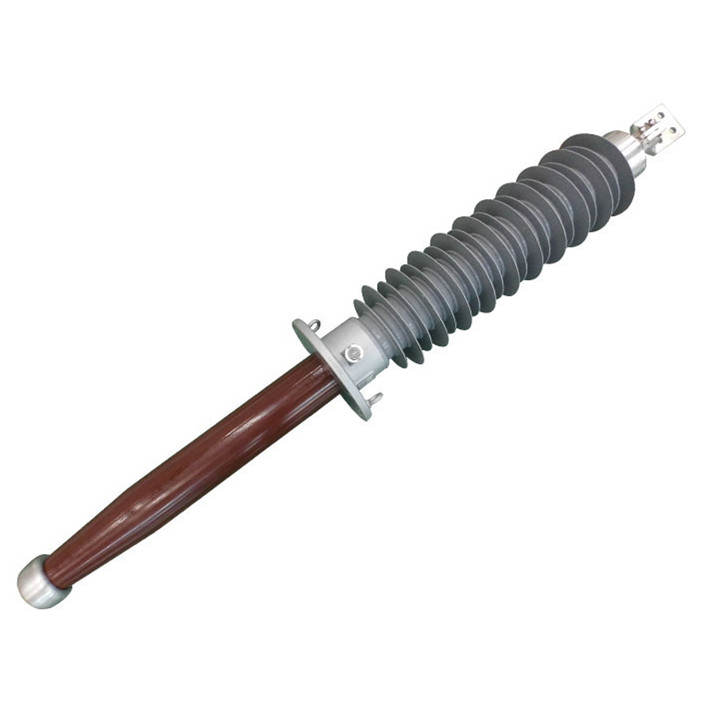

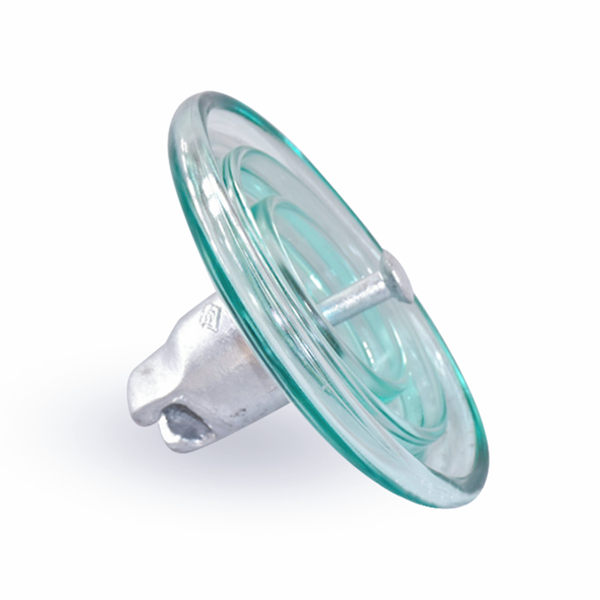
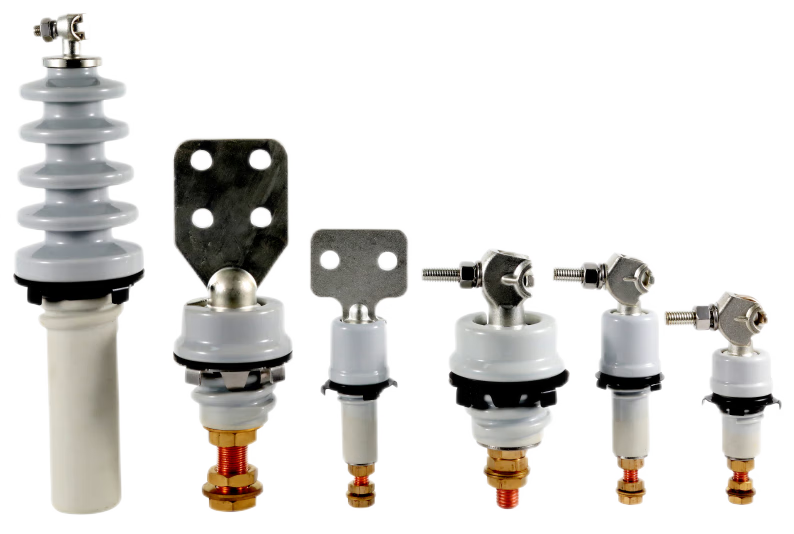
Clarify tank interface, current path, voltage class, terminal arrangement and whether indoor or outdoor installation applies.
NJREC / dry capacitive bushing planning
Plan a Dry RIP Bushing Around Voltage, Interface and Maintenance Language
For transformer and substation projects, the condenser bushing conversation starts with insulation structure, voltage class and interface drawings. This high voltage capacitive bushing uses dry RIP technology so buyers can frame ratings, shell choices and project boundaries before sending an inquiry.
24-1100 kVListed voltage coverage for the RIP capacitive bushing.
Dry RIPResin-impregnated paper condenser insulation structure.
2 shellsComposite or porcelain shell options described for the product.
Oil-freeUseful wording for maintenance and insulation planning.
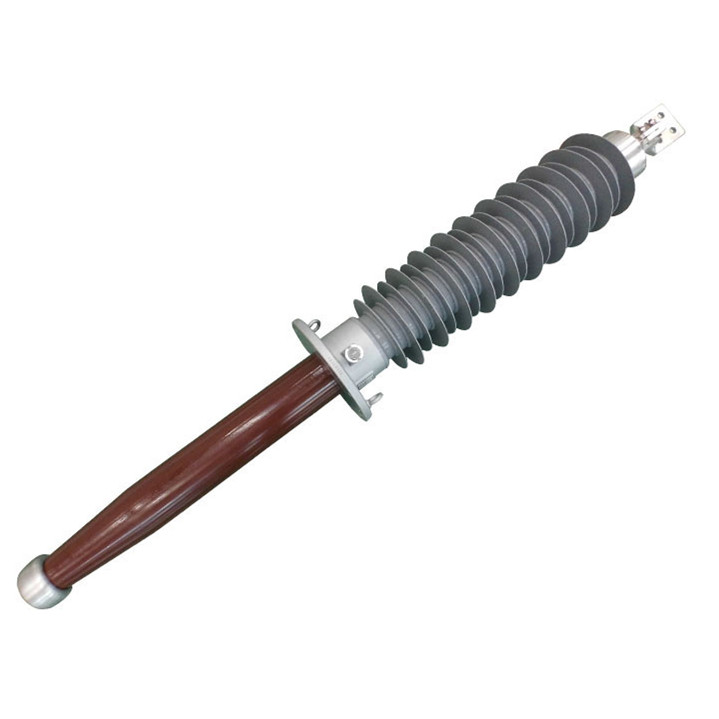
Dry RIP bushing layout for rating, housing and interface discussions.
Engineering facts to align first
Keep the RIP choice tied to ratings, housing and interface type
A bushing request becomes clearer when the insulation system, voltage class and installation interface are separated before the quote conversation.
| Product identity | RIP Capacitive Bushing, also listed as RIP Bushing. |
|---|---|
| Voltage range | 24 kV to 1100 kV. |
| Core structure | Condenser core formed by resin-impregnated paper and aluminum foil, vacuum-cured with epoxy resin. |
| Housing options | Composite or porcelain shell options are described for the dry-type capacitive bushing. |
| Project uses | Transformer housings, substations, wall bushings, DC bushings, converter transformer bushings, indoor and outdoor installations. |
| Inquiry notes | Send voltage and current rating, interface type, drawings, shell preference and installation environment. |
Dry condenser core boundary
Use oil-free wording carefully in the project brief
Dry RIP insulation can make the design conversation different from oil-impregnated condenser bushings, but it still belongs in a disciplined rating, interface and maintenance plan.
Condenser layers
Resin-impregnated paper and aluminum foil layers create the capacitive core, so insulation language should stay tied to the bushing design.
Epoxy resin curing
The dry core is vacuum-cured with epoxy resin, making the oil-free claim relevant to maintenance planning and installation discussion.
Shell selection
Composite or porcelain housing should be matched with the installation environment, mechanical expectations and project drawings.
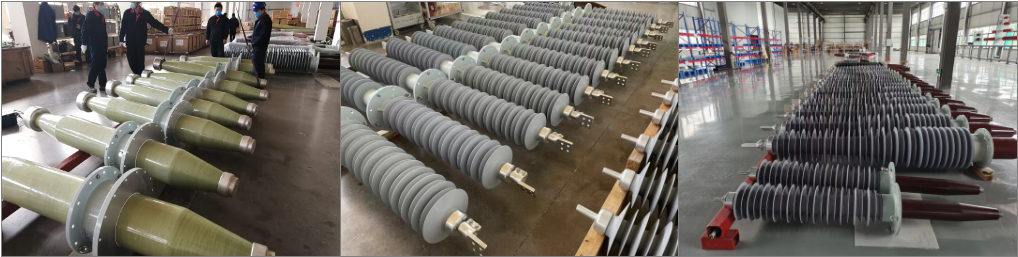
Interface conversation map
Route the same bushing discussion through the right project interface
A RIP bushing inquiry should make the electrical and mechanical interface obvious enough for engineering review before pricing details are finalized.
Use precise oil-SF6 or gas-side language when a GIS connection changes sealing, drawing and review requirements.
Separate wall penetration requirements from transformer-mounted bushing needs so mounting and rating expectations do not blur.
Flag converter transformer or DC bushing language early because application context affects engineering review.
Related NJREC bushing routes
Compare adjacent bushing choices before narrowing the RFQ
These product routes use their own detail pages and images, so buyers can separate dry RIP planning from nearby OIP, RIS and wall-bushing choices.
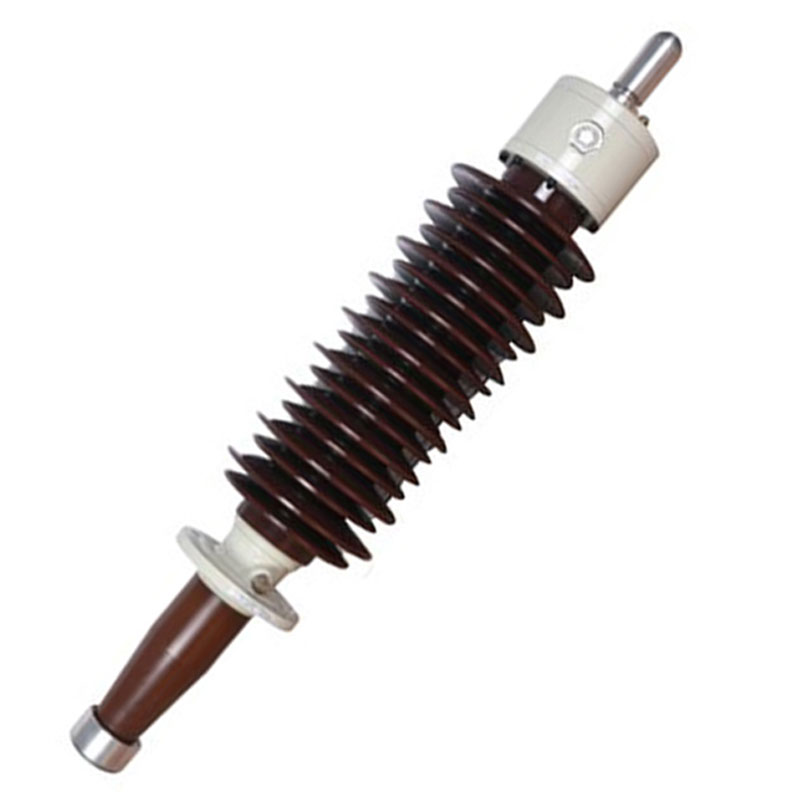
OIP Capacitive Bushing
Oil-impregnated condenser bushing route for buyers comparing 24-800 kV OIP needs with dry RIP alternatives.
Open OIP bushing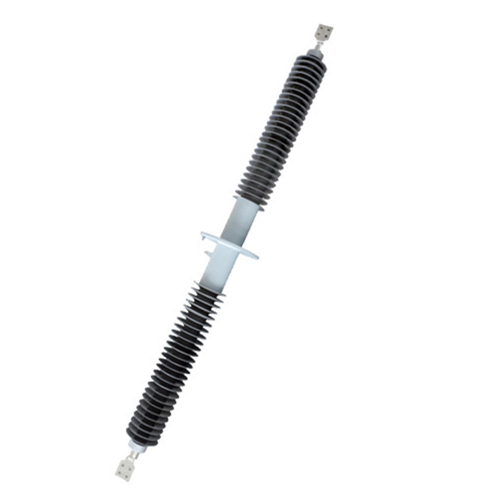
RIS Capacitive Bushing
Dry epoxy-impregnated fiberglass route when the project discussion avoids both oil and paper insulation.
Open RIS bushing
Wall Bushings
Wall-bushing format with RIP or RIS insulation when the project centers on a wall penetration interface.
Open wall bushingProject reading
Three notes for clearer bushing conversations
These readings help prepare interface language, maintenance wording and dry-type insulation context before the engineering exchange.
Oil-SF6 interface wording
Frame GIS connection discussions with the right bushing interface language and project boundaries.
Read interface noteOil-free maintenance framing
Treat oil-free and gas-free claims as planning inputs while keeping maintenance review realistic.
Read maintenance noteRIP dry-type insulation role
Position the RIP capacitive bushing as a high-voltage insulation component, not a low-voltage accessory.
Read RIP notePlanning questions
RIP condenser bushing FAQ
What voltage range is listed for this RIP capacitive bushing?
This RIP capacitive bushing covers a voltage range from 24 kV to 1100 kV.
What insulation structure does the bushing use?
It uses a dry condenser core made with resin-impregnated paper and aluminum foil, vacuum-cured with epoxy resin.
Can buyers choose composite or porcelain housing?
Composite or porcelain shell options are available for the dry-type capacitive bushing.
Which project interfaces should be clarified before inquiry?
Clarify whether the project involves transformer housing, wall bushing, DC bushing, converter transformer, or GIS/SF6 interface requirements.
Does oil-free wording remove all maintenance planning?
No. Oil-free and gas-free wording helps frame insulation choice, but ratings, installation environment, drawings, and maintenance plans still need project review.
What should be sent with an engineering inquiry?
Send the voltage and current rating, interface type, housing preference, indoor or outdoor installation conditions, drawings, and any applicable project standard.

