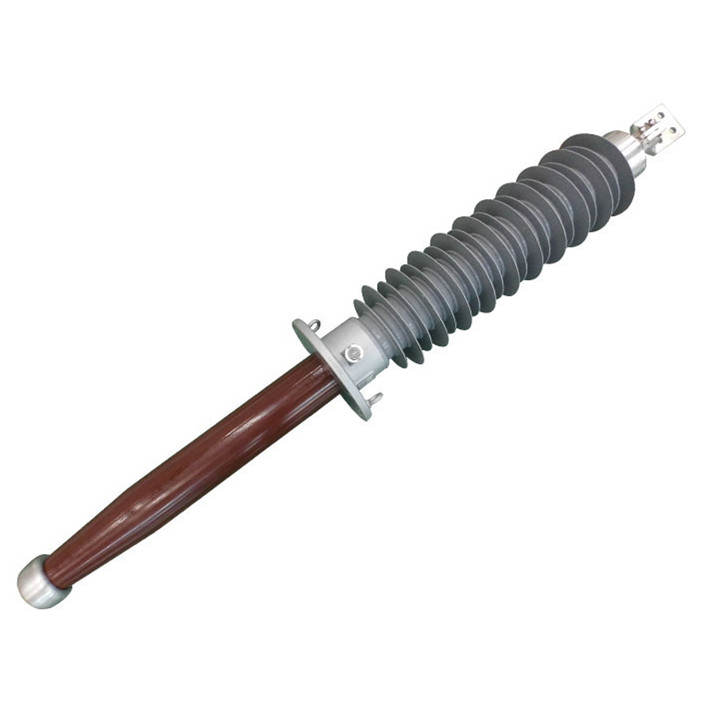

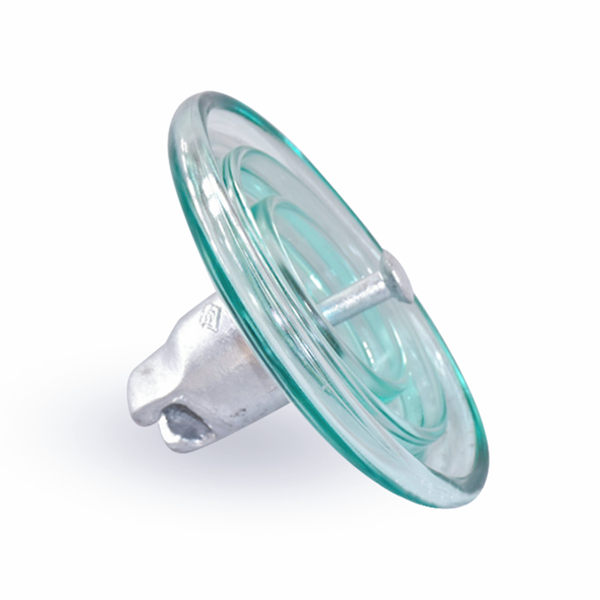
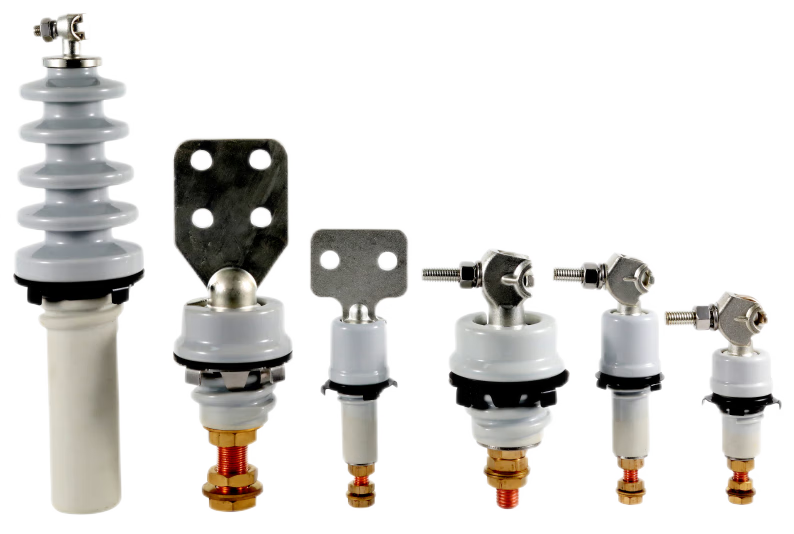

Introduction: Epoxy resin capacitive bushings with RIP or RIS insulation provide durable, moisture-resistant performance vital for high-voltage power systems under varying environmental stresses.
On a humid afternoon at a busy substation, a technician carefully inspects a capacitive bushing amid towering cables and transformers. The subtle hum of electricity and the precise fit of each component speak to the importance of reliable insulation in such environments. Capacitive bushings bridge critical connections in power equipment, and their design directly impacts operational safety and efficiency. As demand rises for durable, moisture-resistant components, wholesale capacitive bushing options featuring epoxy resin technology become invaluable for power systems needing consistent performance under stress.
In the realm of power equipment, insulation quality directly affects component longevity and safety. Resin impregnated paper (RIP) and resin impregnated synthetic paper (RIS) stand as leading insulation materials in capacitive bushing designs, each exhibiting specific dielectric properties catered to various voltage demands. RIP traditionally offers excellent dielectric strength due to the cellulose fibers’ natural structure, providing reliable electrical insulation across a wide voltage range. On the other hand, RIS leverages synthetic fibers, bringing greater uniformity and stability, especially under temperature fluctuations and moisture exposure. Capacitive bushing units featuring these insulation options maintain consistent dielectric performance, mitigating risks such as partial discharge that can degrade system integrity over time. For industries sourcing wholesale capacitive bushing solutions, understanding these insulation differences guides appropriate selection tailored to environmental challenges and load requirements. The interplay of these materials within epoxy resin housings enhances their insulation reliability and contributes to the overall operational safety of power grids operating at high voltages.
The mechanical demands placed on bushings in power systems require both strength and resilience against environmental factors. Epoxy resin bushings excel in withstanding physical stresses due to their inherently robust polymer matrix. These bushings effectively resist cracking and deformation under mechanical strain, an essential feature for installations subject to vibrations or heavy equipment movement. Equally crucial is their moisture resistance, as damp conditions are notorious for accelerating insulation deterioration. Epoxy resin’s low water absorption coupled with advanced sealing techniques prevents moisture ingress, protecting the inner insulation layers—whether RIP or RIS—from damage. In wholesale capacitive bushing products, epoxy resin’s stability helps maintain consistent performance even under extreme weather or substation humidity levels. This durability translates into fewer maintenance interventions and prolonged lifecycle, assuring utilities and industrial clients of sustained safety. As power infrastructures evolve, such bushings blend dependability and toughness, providing a foundation for reliable energy transmission regardless of environmental challenges.
Across industries, capacitive bushings fortified with epoxy resin demonstrate robust real-world performance by maintaining electrical integrity over extended periods. In power generation plants and large-scale distribution substations, these bushings enable secure wall penetrations where high-voltage cables must transition through barriers without risk of insulation breakdown. For example, in factories with fluctuating ambient temperatures and significant airborne contaminants, the combination of epoxy resin housings and tailored insulation materials ensures that the capacitive bushing retains its strength and dielectric properties. Wholesale capacitive bushing suppliers, like those providing options with RIP or RIS insulation, cater to these demanding environments by offering products that reduce downtime risks and enhance safety margins. Their design simplicity and ease of inspection make them favored components for engineers aiming to uphold stringent IEC standards and operational reliability. This proven track record reflects the crucial role such bushings play in advancing power system resilience and protecting both equipment and personnel from electrical hazards.
As the ongoing transition towards more complex and demanding power systems unfolds, wholesale capacitive bushing technology stands at a significant milestone. Their combination of epoxy resin housing with selectable insulation materials meets evolving needs for durability, moisture resistance, and dependable dielectric performance. For those involved in power equipment design or maintenance, capacitive bushings that blend mechanical strength with proven insulation solutions offer a critical benchmark of quality and stability. Anticipating future shifts in energy consumption and infrastructure challenges, these bushings will continue to support safer, more efficient systems with subtle yet essential reliability.
1. NJREC Electrical Bushing Supplier – Capacitive Bushing Manufacturer – Detailed overview of capacitive bushings featuring RIP or RIS insulation for high voltage applications
2. NJREC Electrical Bushing Factory – RIP Capacitive Bushing Supplier – Information on resin impregnated paper (RIP) capacitive bushings with epoxy resin impregnation
3. NJREC Resin Capacitive Bushing – Dry Electrical Bushing – Description of epoxy resin-impregnated fiberglass (RIS) capacitive bushings for dry-type insulation
4. NJREC Epoxy Bushing Supplier – Transformer Insulator Manufacturer – Epoxy resin bushings for dry-type and oil-filled transformers with mechanical strength and electrical insulation details
5. NJREC Porcelain Bushing Suppliers – High Voltage Transformer Bushing – High voltage porcelain bushings compliant with IEC standards for various voltage and current ratings