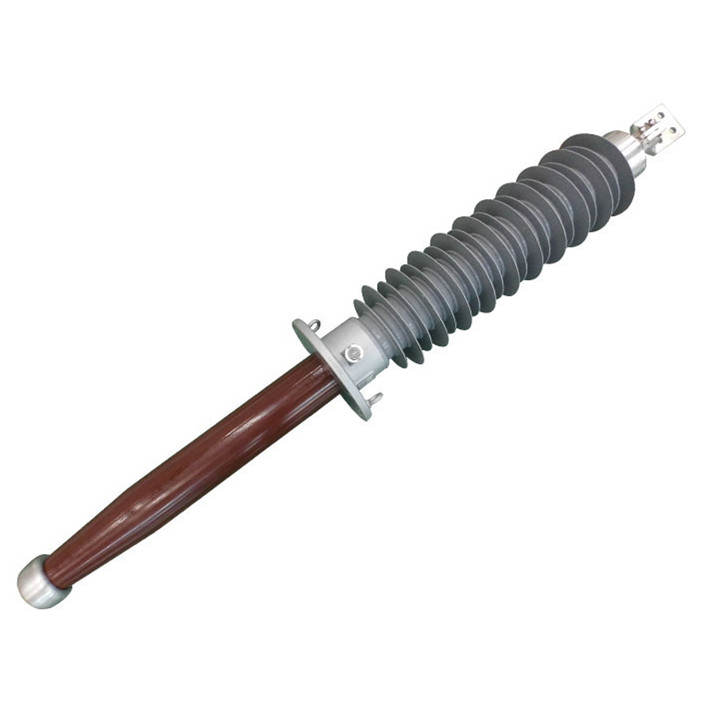

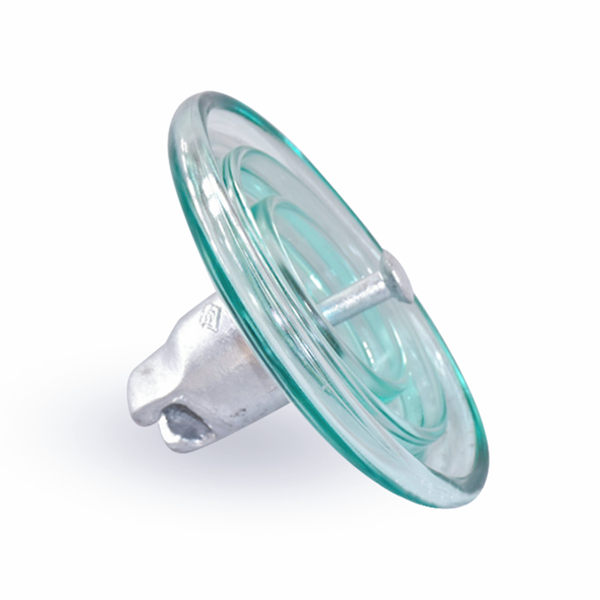
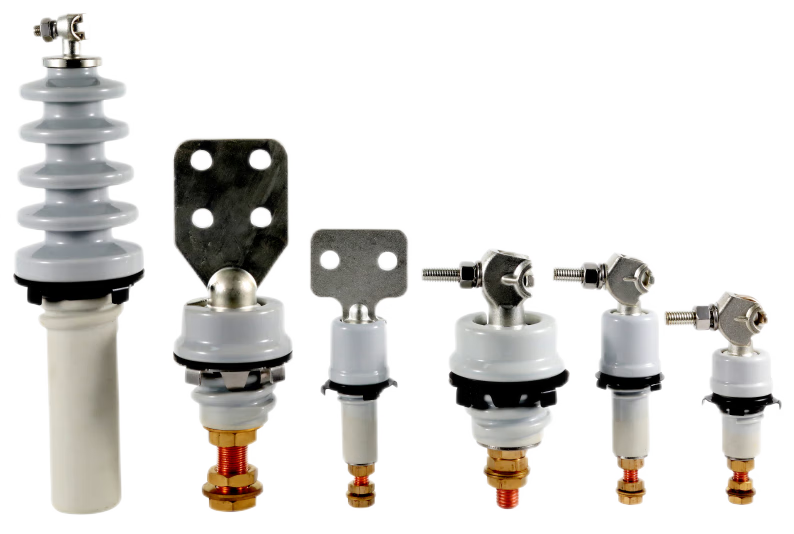

In the realm of electrical infrastructure, the importance of reliable insulators cannot be overstated. Among the various options available, RTV-coated glass insulators stand out for their exceptional performance and durability. These insulators, produced by Nanjing Rainbow Electric Co., Ltd. (NJREC), are designed to meet the demands of modern power systems, offering solutions for high-voltage applications ranging from 10 kV to 1000 kV. The introduction of RTV coating has revolutionized the capabilities of these insulators, making them suitable for use in polluted, coastal, and ultra-high-voltage environments. As high voltage insulators manufacturers strive to enhance electrical performance, RTV-coated glass insulators have become a preferred choice for engineers and utility companies worldwide.
Table of contents:
Key Advantages of RTV-Coated Electrical Glass Insulators
Comparing High Voltage Porcelain Insulators and Glass Alternatives
How RTV Coating Improves Insulator Performance in Harsh Environments
The Role of Electrical Glass Insulators in Modern Power Systems
RTV-coated glass insulators offer a host of advantages that make them an excellent choice for high voltage power line insulators. One of their most significant benefits is their strong pollution resistance, which ensures reliable performance even in heavily polluted environments. The RTV coating imparts hydrophobic properties to the insulators, reducing the risk of flashovers and maintaining high electrical performance. Additionally, these insulators are lightweight, which simplifies installation and reduces structural load on power lines. The self-cleaning capability of the RTV coating further enhances their performance by minimizing maintenance requirements. This combination of features makes RTV-coated glass insulators a cost-effective and efficient solution for high voltage applications.
When it comes to choosing between high voltage porcelain insulators and glass alternatives, several factors come into play. While porcelain insulators have been traditionally used due to their mechanical strength and durability, glass insulators offer distinct advantages. Glass insulators, especially those with RTV coating, provide superior hydrophobicity and pollution resistance. This makes them ideal for use in coastal and polluted environments where traditional porcelain insulators might struggle. Additionally, glass insulators are typically lighter than their porcelain counterparts, which can lead to easier handling and installation. As high voltage insulators manufacturers continue to innovate, the choice between porcelain and glass often depends on specific environmental conditions and performance requirements.
The application of RTV coating on glass insulators significantly enhances their performance in harsh environments. This coating forms a protective layer that shields the insulator surface from contaminants and moisture. In environments with high levels of pollution or salt, such as coastal areas, the hydrophobic nature of the RTV coating prevents the accumulation of conductive layers, reducing the risk of electrical discharge. Moreover, the coating's self-cleaning properties ensure that the insulators maintain their effectiveness over time, minimizing the need for frequent maintenance. High voltage power line insulators with RTV coating are thus better equipped to handle extreme weather conditions and environmental challenges, ensuring reliable power transmission.
Electrical glass insulators play a critical role in modern power systems by providing the necessary insulation for high voltage power lines. These insulators are designed to withstand the electrical and mechanical stresses associated with high voltage transmission, ensuring the safe and efficient delivery of electricity. The use of RTV-coated glass insulators has become increasingly prevalent as they offer enhanced performance characteristics compared to traditional alternatives. Their ability to resist pollution and maintain hydrophobicity makes them particularly valuable in areas prone to environmental contamination. As high voltage insulators manufacturers continue to develop innovative solutions, the demand for advanced glass insulators is expected to grow, supporting the expansion and reliability of global power networks.
In summary, RTV-coated glass insulators represent a significant advancement in the field of electrical insulation. Their unique properties, such as strong pollution resistance, hydrophobicity, and self-cleaning capabilities, make them an ideal choice for high voltage power line insulators. Whether used in polluted urban areas, coastal regions, or ultra-high-voltage environments, these insulators provide reliable performance and durability. As high voltage insulators manufacturers continue to innovate, the role of RTV-coated glass insulators in enhancing electrical performance and supporting modern power systems becomes increasingly crucial. With their ability to meet the demands of challenging environments, these insulators are set to play a pivotal role in the future of electrical infrastructure.