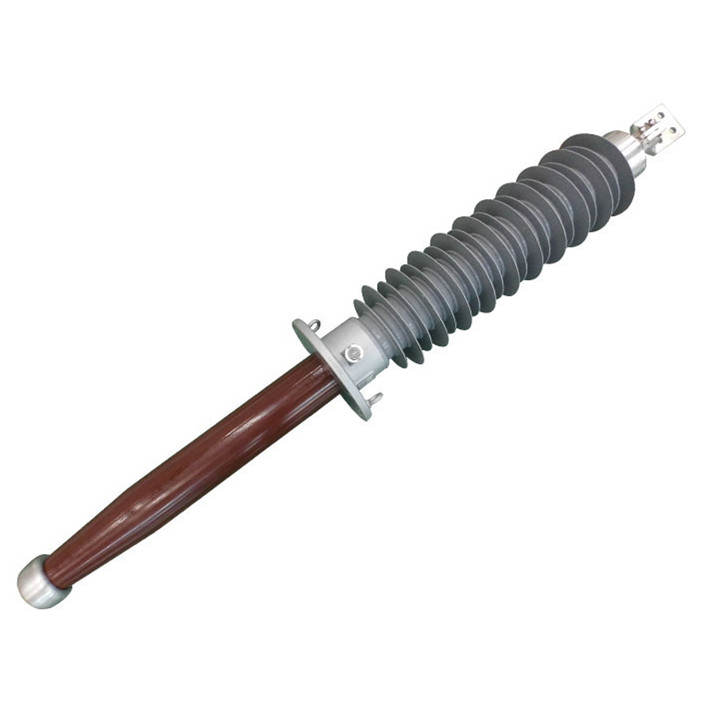
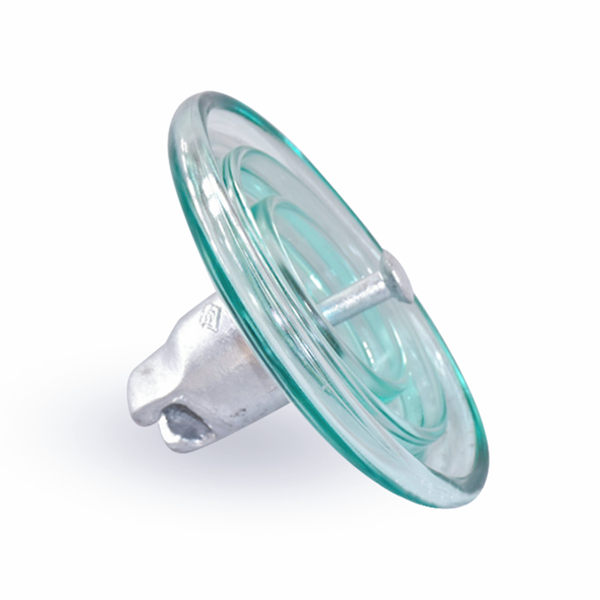
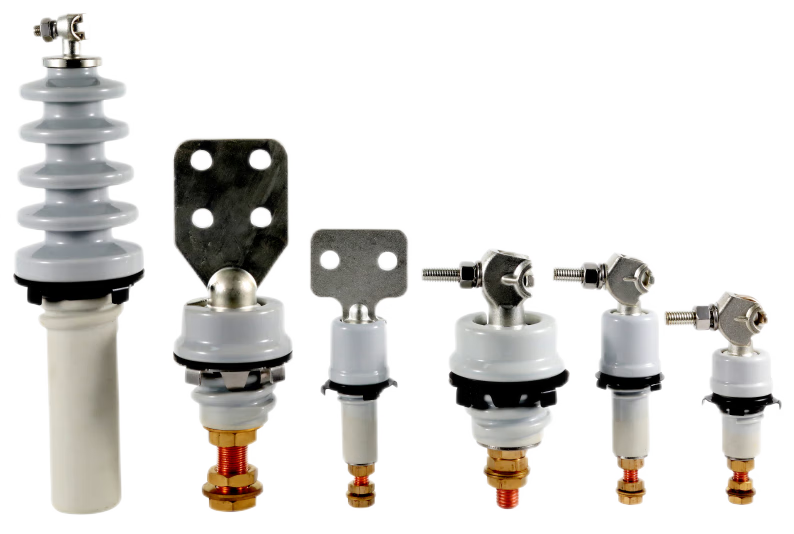
Transformer bushings stand as indispensable elements within power systems. International standards such as IEC 60137 define the characteristics and testing requirements for high-voltage bushings used in transformers and electrical equipment. Functioning as current-carrying conduits, they establish a crucial connection between the internal high- and low-voltage leads of a transformer and its external tank. Simultaneously, they offer mechanical support to the leads and maintain a critical insulating barrier between the leads and the grounded tank. During the normal operation of a transformer, bushings are constantly subjected to load currents. Moreover, when external faults occur, they must endure short-circuit currents, playing a vital role in ensuring the stable transmission of electrical power and the overall reliability of the grid. However, any delay in addressing bushing malfunctions can have far-reaching and severe consequences, potentially endangering the entire power system.
- Inadequate Sealing: Weak seals at the terminals create an open invitation for moisture. Once moisture infiltrates, it can trigger internal partial discharges. Over time, these partial discharges can intensify, leading to phenomena such as flashovers or, in extreme cases, explosions within the bushing.
- Capacitive Core Irregularities: Imperfections in the capacitive core, like misaligned shielding screens, incorrectly sized aluminum foils, folded insulation layers, or trapped air bubbles, disrupt the normal electric field distribution. This disruption can cause partial discharges to occur. If left unaddressed, these partial discharges can escalate and result in a complete breakdown of the insulation.
- Grounding Anomalies: Issues related to the grounding of the end screen, such as improper grounding techniques, loose welds in the lead connections, or grounding failures induced by electromagnetic vibrations, can all contribute to bushing failures. Incorrect grounding can lead to abnormal electrical currents and potentially damage the bushing.
- Excessive Electrical Stress: When the capacitive screens are exposed to high levels of electrical stress, the insulation materials around them age at an accelerated rate. This rapid aging weakens the insulation's integrity, making it more susceptible to breakdown, which can ultimately lead to the failure of the entire bushing.
- Insufficient Oil - Related Practices: Inadequate vacuum oil filling during maintenance procedures can leave the bushing with sub - optimal insulation properties. Additionally, oil leaks, whether due to damaged seals or improper handling, and the intrusion of moisture into the oil can all significantly degrade the insulation quality over time.
- Mechanical Contact Problems: Bent lower voltage grading spheres that come into contact with the conductive tubes generate parasitic currents. These unwanted currents cause localized overheating in the bushing, which can gradually damage the internal components and lead to failure.
- Improper Testing - Related Actions: During testing, if the disassembly of the bushing is not carried out correctly, it can cause problems such as overheating at the contact points or the breakage of end - screen leads. These issues can compromise the bushing's performance and reliability.
- Oil Sampling Errors: Errors during oil sampling, such as not refilling the correct amount of oil or failing to secure the plugs tightly, can result in oil leaks. Leaking oil not only reduces the effectiveness of the insulation but also poses a risk of environmental contamination. Regular preventive testing for transformer bushings can help identify insulation deterioration, oil leakage, and grounding problems before serious failure occurs.
- Overvoltage Vulnerability: Lightning strikes, switching surges within the power system, or surface contamination on the bushing can all introduce overvoltage conditions. These overvoltages can trigger flashovers, which can severely damage the bushing and disrupt the normal operation of the transformer.
- Thread Mismatches: When the thread tolerances between the conductive tubes and the winding leads do not match properly, the contact resistance at the connection points increases. This higher contact resistance leads to overheating, as more electrical energy is converted into heat at these junctions. Overheating can cause damage to the components and potentially lead to bushing failure.
- Inappropriate Solder Use: Using low - temperature solder, such as tin, for lead connections is a risky practice. Under normal operating conditions or during periods of high load, the temperature at the connection points can rise. Tin solder has a relatively low melting point of around 200°C. If the temperature reaches this point, the solder can melt, breaking the electrical connection and causing the bushing to malfunction.
Overheating in transformer bushings is often a result of poor electrical contact, either internally within the bushing or externally at the connection points. When the contact between different components is not optimal, the resistance at these points increases. According to Ohm's law (P=I2R, where P is power, I is current, and R is resistance), an increase in resistance leads to more power being dissipated as heat. Additionally, excessive load on the transformer can also cause the bushing to carry higher currents than it is designed for, resulting in overheating.
Oil leakage from transformer bushings is a common issue. One of the main causes is the aging of seals. Seals are used to prevent oil from escaping and to keep moisture out. Over time, due to exposure to heat, electrical stress, and mechanical vibrations, these seals can become brittle and lose their elasticity, leading to leaks. Another cause is uneven flange connections at the base of the bushing. If the flanges are not properly aligned or tightened during installation, it can create gaps through which oil can seep out.
The presence of high levels of acetylene in the insulation oil and end - screen discharge are often signs of serious problems within the bushing. Design flaws in the bushing, such as improper insulation design or incorrect placement of components, can lead to abnormal electrical discharges. Additionally, if the end screen is not properly grounded, it can create a situation where electrical charges build up, resulting in discharges. These discharges can decompose the insulation oil, producing acetylene and other by - products, which further degrade the performance of the bushing.
- Welding - Related Fixes: Before attempting to weld any components within the bushing, it is crucial to thoroughly clean and polish the surfaces to be joined. This ensures a better bond and reduces the risk of impurities affecting the weld quality. During the welding process, the use of phosphor copper solder is recommended. The welding area should be uniformly heated, and the solder should be carefully introduced to fill any gaps. By ensuring that the contact area is sufficient, the resistance at the welded joint can be minimized, reducing the likelihood of overheating.
- Crimping - Related Fixes: When crimping leads and connectors, it is essential to match the diameters of the lead and the connector precisely. A proper fit ensures a good electrical connection. The crimp length should be sufficient to provide a secure bond, and standardized crimping methods should be strictly followed. This helps in achieving a consistent and reliable connection, reducing the resistance and preventing overheating.
- Proper Connection Components: The selection of nuts, clamps, and gaskets is crucial in preventing oil leakage. They should be compatible with the bushing and the cables being used. In cases where the cables are oversized, the use of crimped terminals can provide a more secure connection.
- Dual - Nut Tightening: Securing connections with dual nuts not only enhances the tightness of the joint but also improves heat dissipation. The two - nut system helps to distribute the load evenly and reduces the stress on the seals, preventing premature failure due to heat - induced degradation.
- Load Management: Implementing proper load distribution strategies can prevent the transformer from being overloaded for extended periods. Overloading can cause excessive heat generation, which can accelerate the aging of seals and lead to oil leakage. Regular inspections of the bushing for any signs of leakage should be carried out, and any detected leaks should be addressed immediately to prevent further damage.
When dealing with high acetylene levels in the insulation oil and end - screen discharge issues, the most effective solution is to replace the faulty bushing. However, before installation, the new bushing should be subjected to rigorous testing to ensure that it meets all the required standards. Certified replacement bushings should be sourced from reliable manufacturers. This ensures that the new bushing has been designed and manufactured to withstand the electrical and mechanical stresses of the application, reducing the risk of future failures.
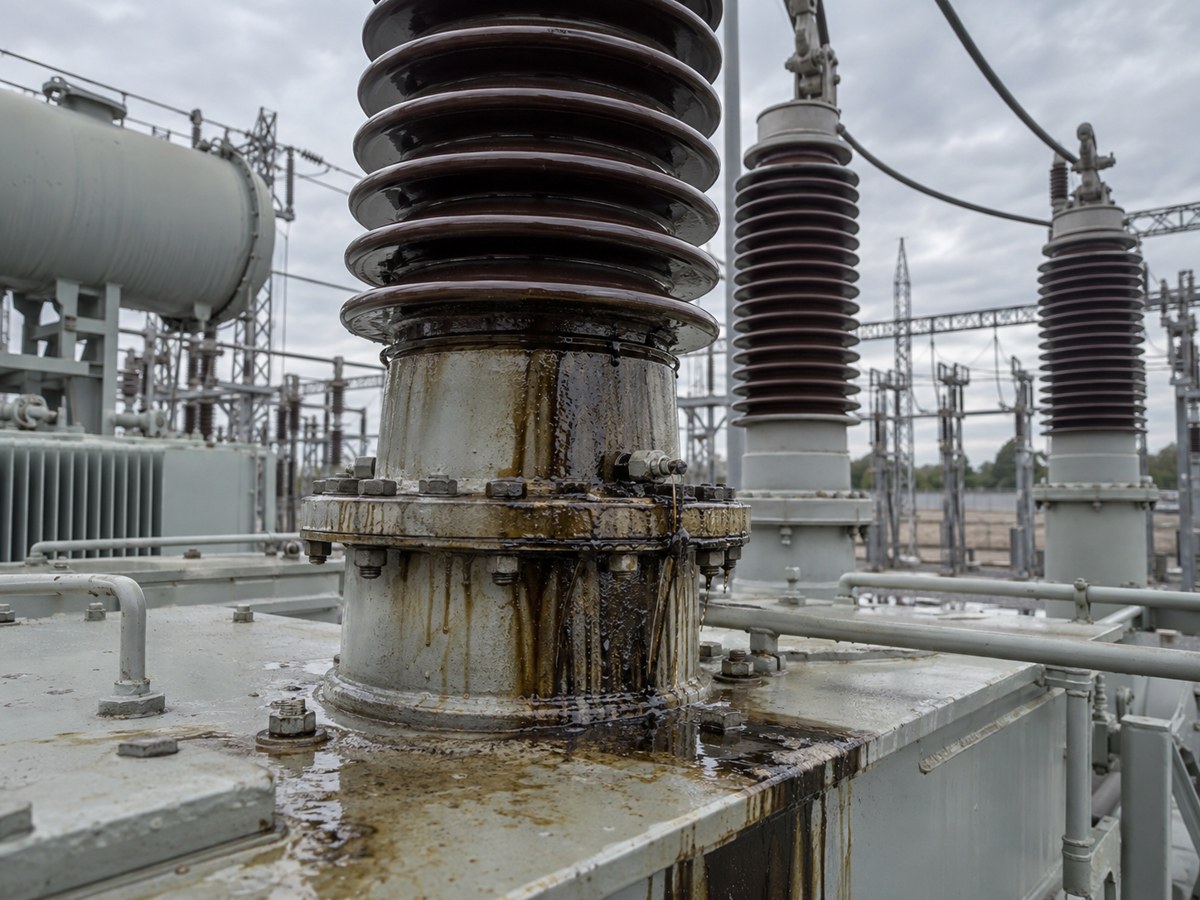
Transformer bushing failure is commonly caused by insulation aging, overheating, moisture ingress, partial discharge, oil leakage, and excessive electrical stress.
A transformer bushing fault may cause abnormal temperature rise, oil leakage, insulation deterioration, partial discharge, or visible cracks on the bushing surface.
Transformer bushing failure can be diagnosed through visual inspection, insulation resistance testing, capacitance and tan delta testing, and partial discharge analysis.
Regular transformer bushing maintenance, including inspection, testing, and oil leakage checks, helps detect early defects and prevent unexpected failures.
Transformer bushing repair depends on the damage level. Minor sealing or connection issues may be repaired, while severe insulation failures usually require bushing replacement.