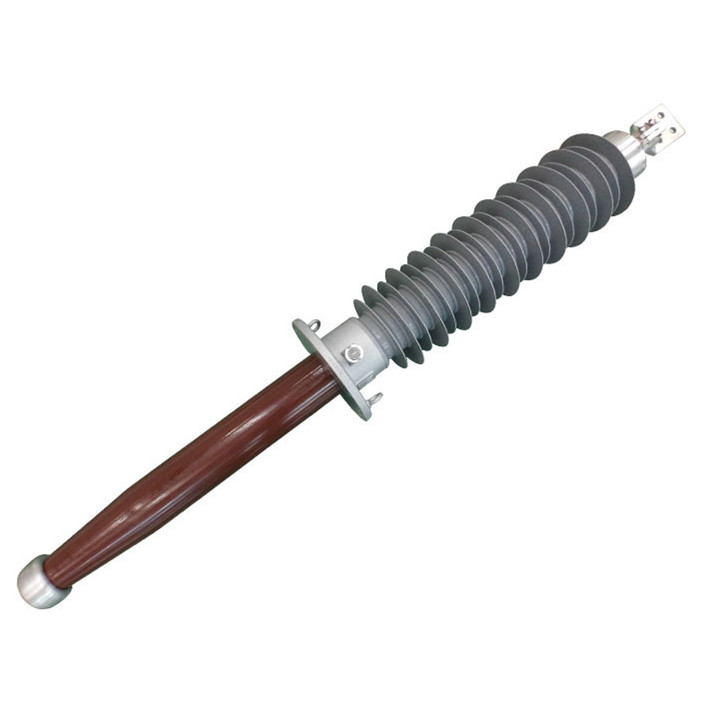

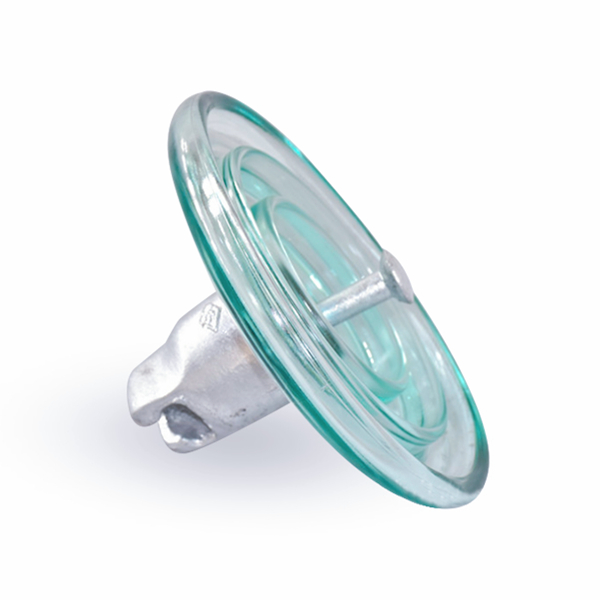
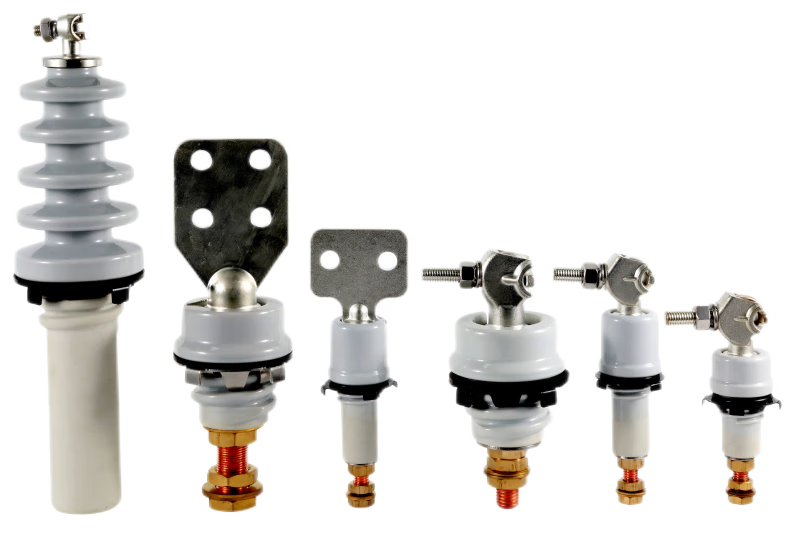


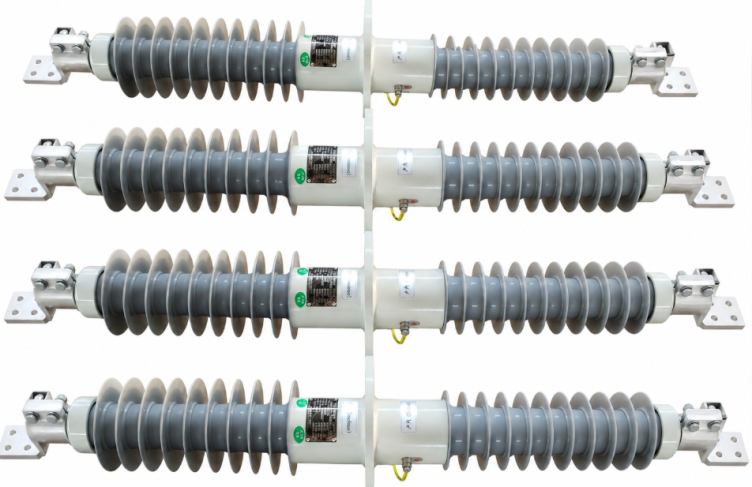
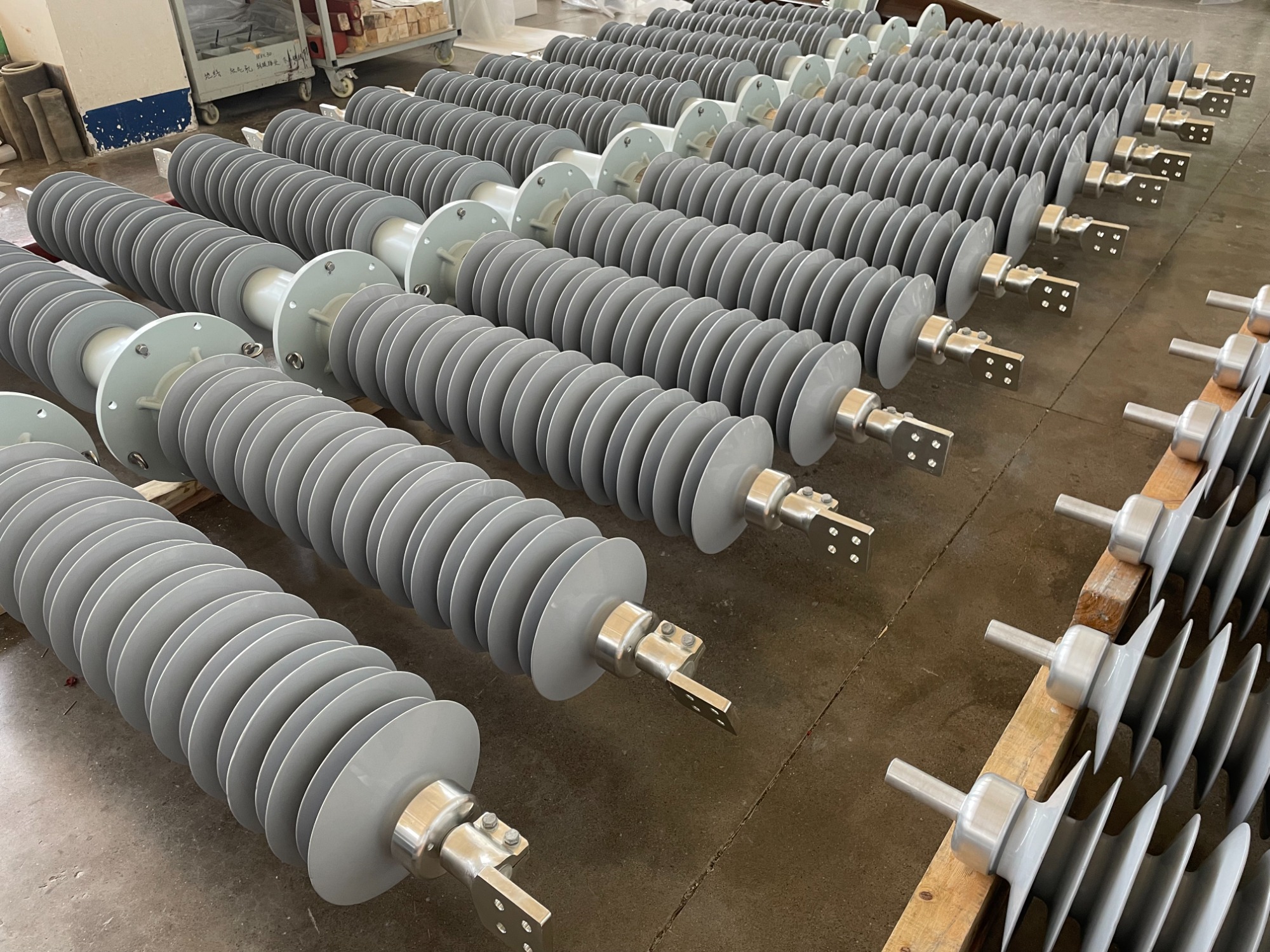
NJREC 145 kV wall bushings provide an insulated air-to-air passage for a conductor through a grounded wall or partition. This IEC equipment highest voltage (Um) class is commonly considered for 132 kV and 138 kV nominal systems. A dry-type FCRG composite configuration uses a capacitive insulation core and silicone rubber external housing. The 145 kV IEC series has a maximum rated current of 4000 A; the final conductor, flange and housing arrangement depends on the selected model.

| Parameter | Unit | IEC 60137:2017 145 kV |
|---|---|---|
| Highest voltage for equipment Um | kV | 145 |
| Rated frequency | Hz | 50/60 |
| Dry power frequency withstand voltage, 1 minute | kV | 275 |
| Lightning impulse withstand voltage (BIL) | kV | 650 |
| Switching impulse withstand voltage (SIL) | kV | – |
| Maximum rated current | A | 4000 |
| Temperature range | °C | Down to −60 °C and up to +55 °C available on request |
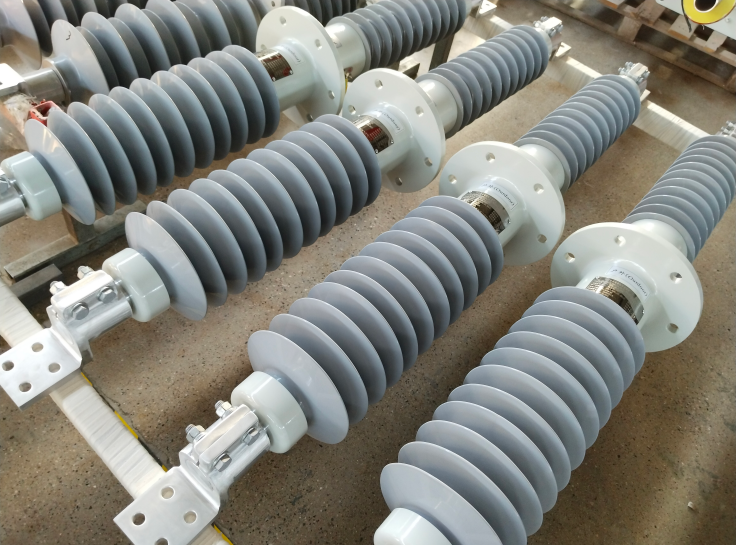
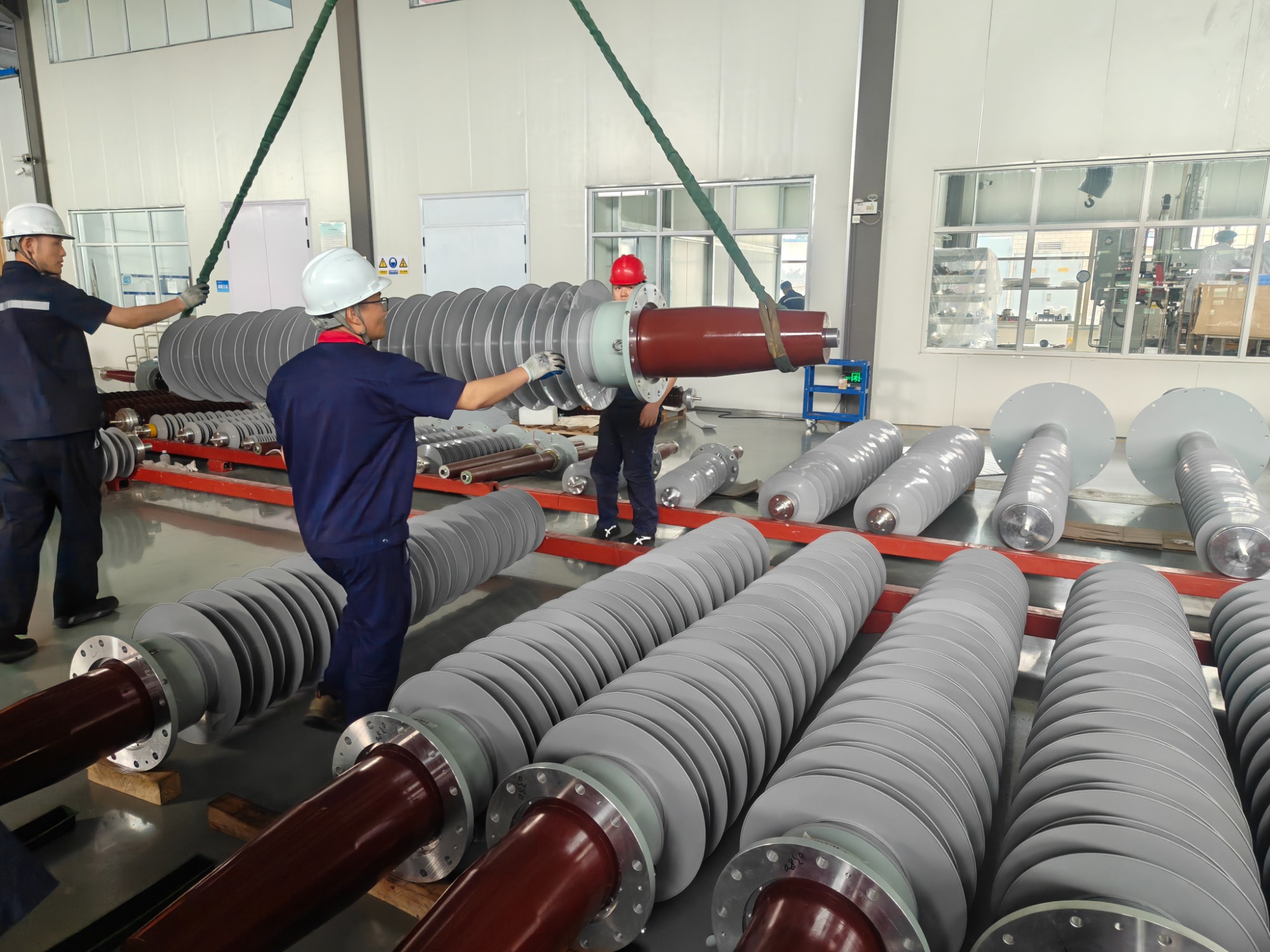
The bushing carries an air-side conductor through a fire wall or building partition between a GIS hall, an air-insulated switchyard or another electrical area. Confirm the media on both sides before selecting a wall bushing for a GIS project.
A wall feedthrough can connect indoor and outdoor air-insulated circuits at a generation substation. The installation layout, mounting interface and outdoor pollution conditions determine the appropriate housing dimensions and creepage distance.
In industrial substations, the bushing insulates a high-voltage conductor where it crosses a grounded wall. Coastal salt deposition, dust, humidity, ambient temperature and site-specific safety requirements should be reviewed for the actual installation.
For a prefabricated or mobile substation enclosure, the wall opening, transport envelope, mechanical support and connection clearances need to be checked for the proposed bushing design.
NJREC offers a dry composite wall bushing configuration in the 145 kV IEC voltage class. The electrical ratings, mounting flange, conductor connections and insulation on each side can be reviewed against the project requirements.
For coastal, humid or dusty sites, the outdoor silicone rubber housing and creepage distance can be selected with reference to the site's pollution severity and IEC TS 60815 guidance. For replacements, NJREC can compare the existing mounting dimensions with the proposed unit.
145 kV is the highest voltage for equipment (Um) in this IEC series. It is commonly associated with 132 kV or 138 kV nominal power systems; the actual system and project specification should be checked.
The 145 kV IEC column lists 50/60 Hz, 275 kV for the 1-minute dry power frequency withstand voltage, 650 kV lightning impulse withstand voltage (BIL) and a maximum rated current of 4000 A.
The external housing and creepage distance should be selected for the measured or specified site pollution severity. Outdoor polymer insulation can be assessed using IEC TS 60815-1 and IEC TS 60815-3.
A wall bushing is specified for air-to-air passage through a grounded wall. A GIS outlet bushing connects the GIS enclosure to an external circuit and has a different mounting and media interface.
Check the enclosure wall thickness, flange, conductor terminals, mechanical support and installation clearances against the selected model.
