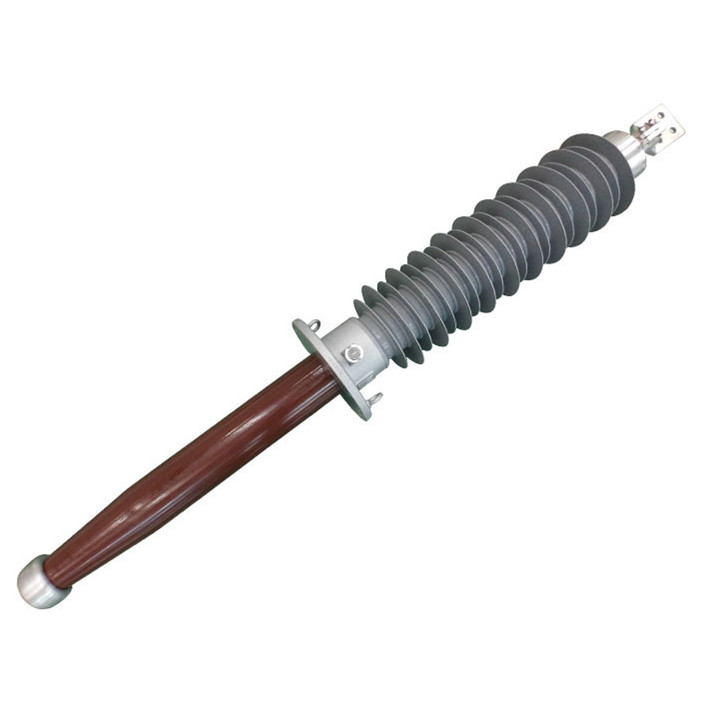

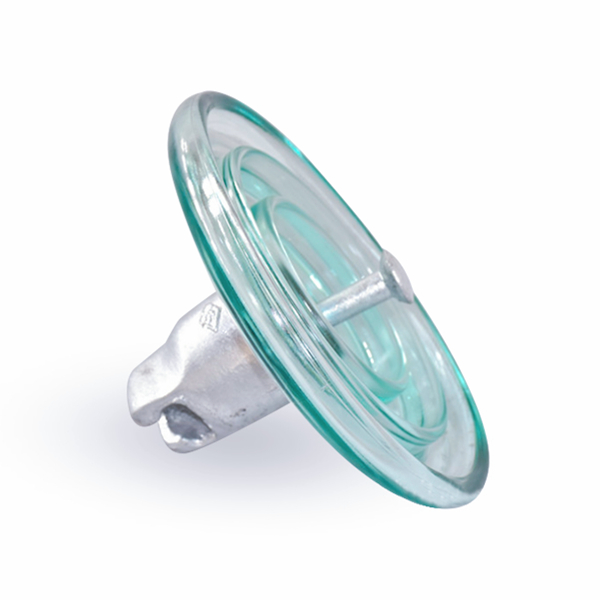
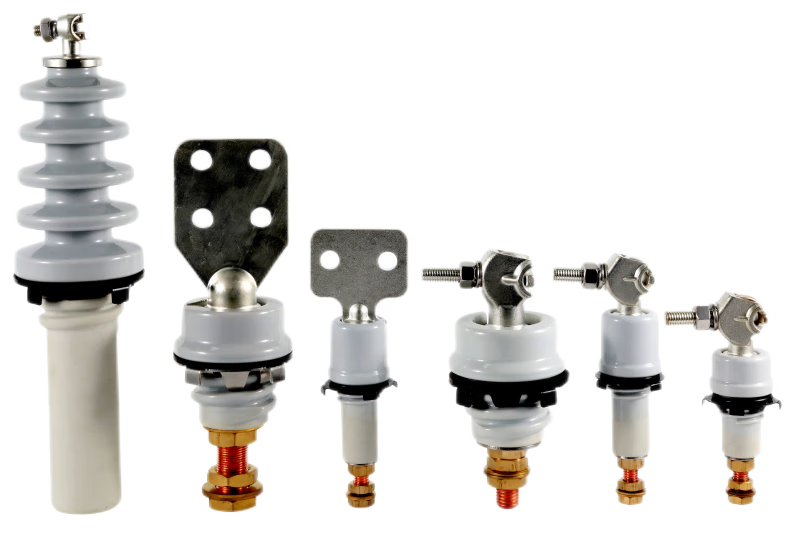


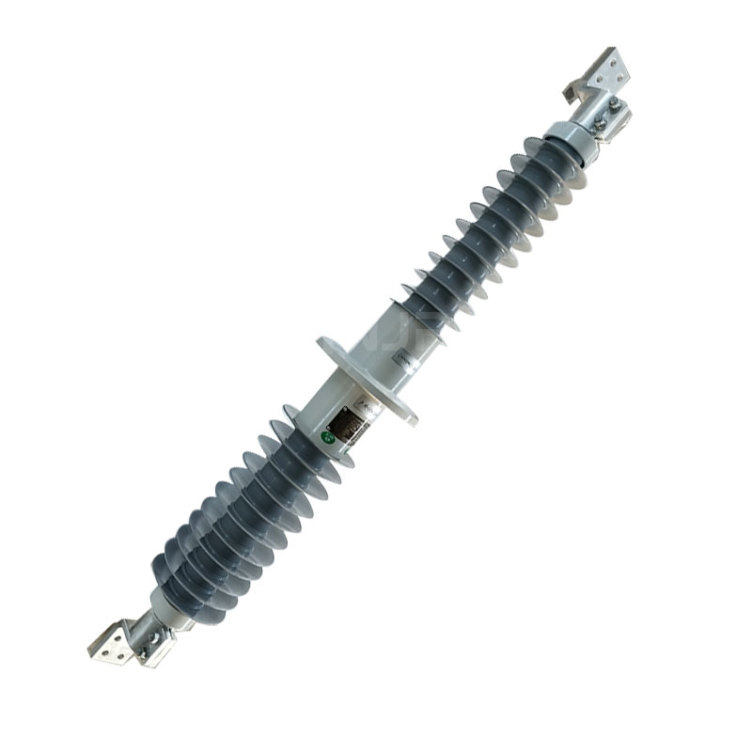
NJREC 36 kV wall bushings carry conductors through grounded walls or partitions while insulating them from the structure. The IEC equipment highest voltage (Um) of 36 kV can serve 30 kV or 33 kV nominal distribution systems. Depending on the model, solid insulation or a dry capacitive FCRG configuration with composite external housing can be considered. The maximum rated current shown for this voltage class is 5000 A.

The illustration shows a capacitive wall bushing configuration. The construction of a solid-insulated 36 kV model differs.
| Parameter | Unit | IEC 60137:2017 36 kV |
|---|---|---|
| Highest voltage for equipment Um | kV | 36 |
| Rated frequency | Hz | 50/60 |
| Dry power frequency withstand voltage, 1 minute | kV | 70 |
| Lightning impulse withstand voltage (BIL) | kV | 170 |
| Switching impulse withstand voltage (SIL) | kV | – |
| Maximum rated current | A | 5000 |
| Temperature range | °C | Down to −60 °C and up to +55 °C available on request |
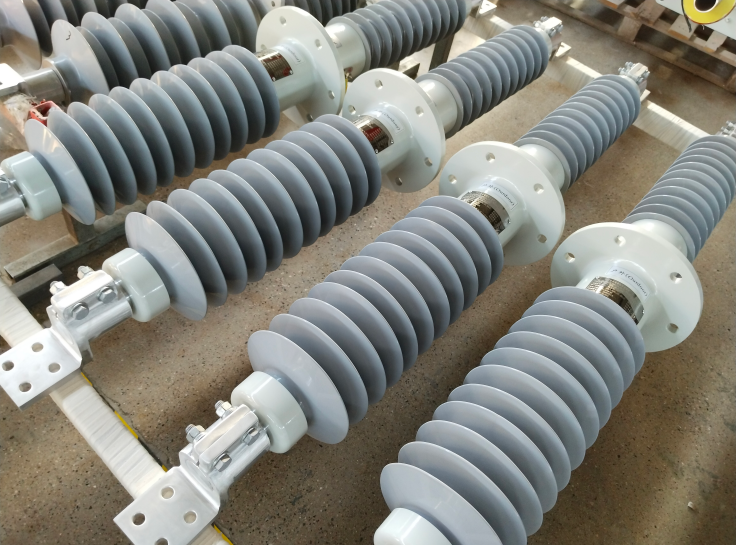
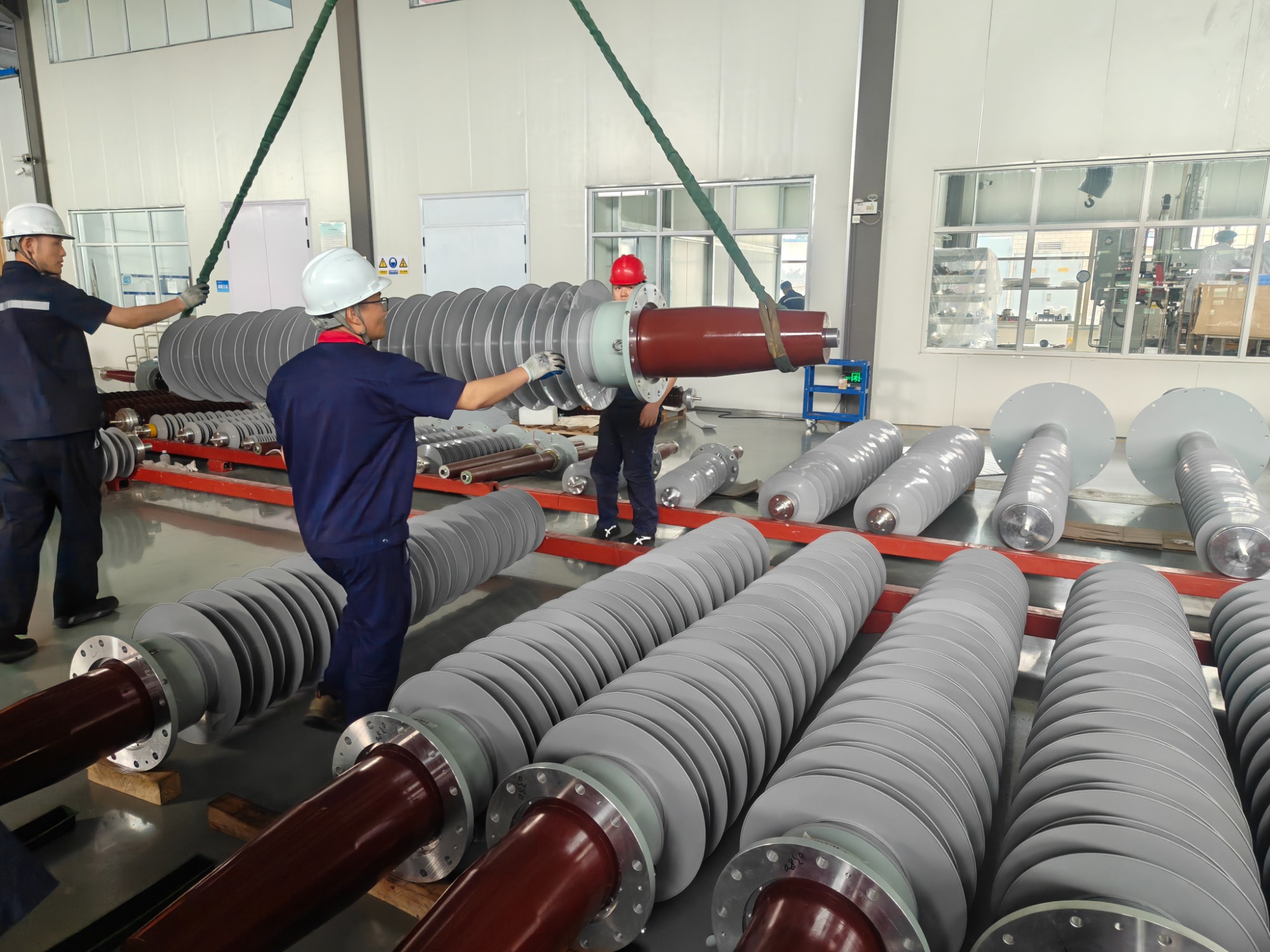
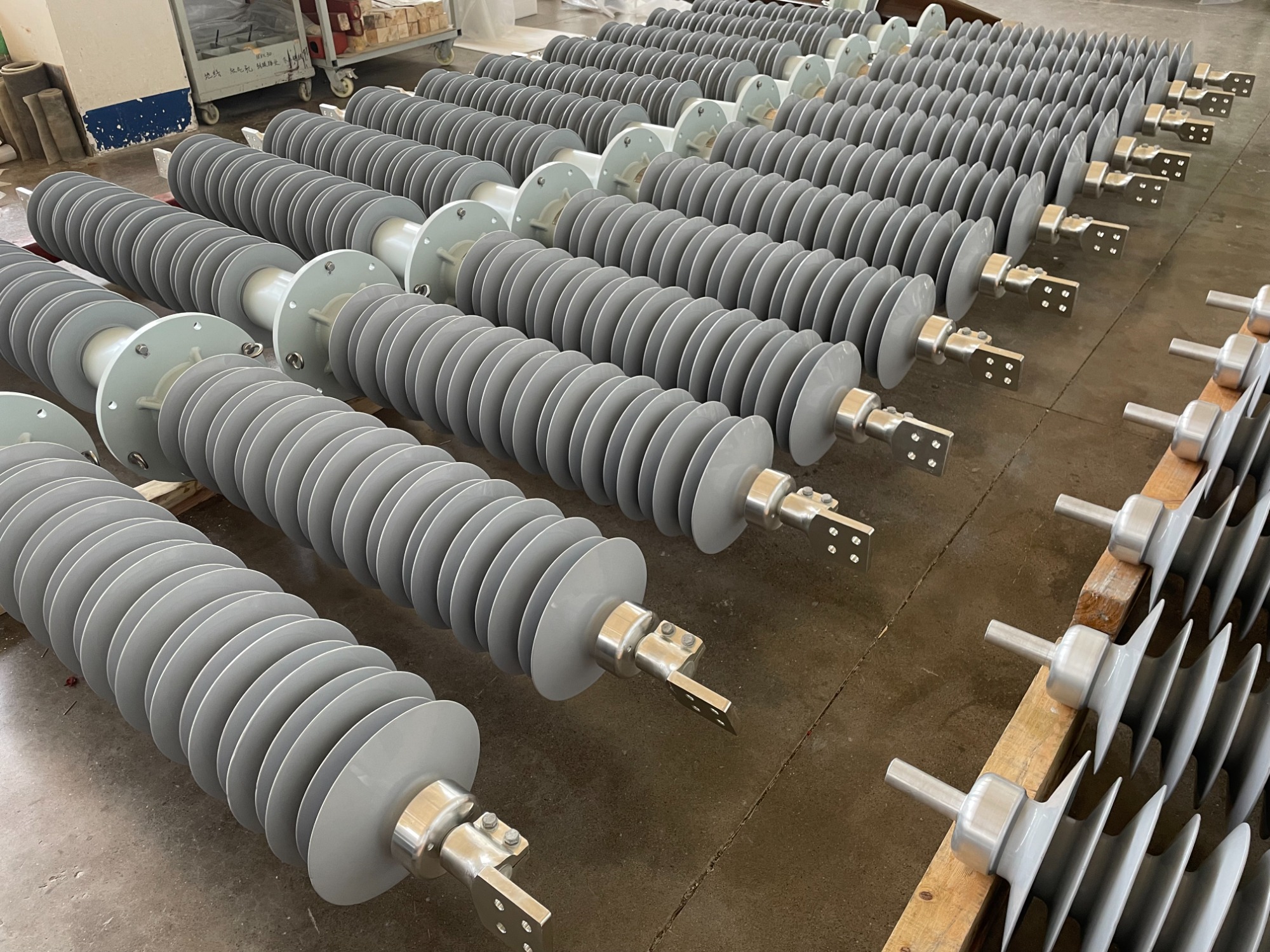
A 36 kV wall bushing can connect air-insulated conductors across a distribution-substation wall, switching-station partition or electrical-room boundary. Grid upgrades and new 30/33 kV substations make this a high-volume distribution product, often purchased in batches for repeated wall connections. The installation may be indoor-to-indoor or indoor-to-outdoor, depending on the site layout.
Factories, mines and industrial sites can use a wall feedthrough where a 30/33 kV conductor crosses a grounded partition. The selected insulation and external housing should reflect the actual electrical, environmental and site safety requirements.
At a wind or solar collection substation, the bushing can provide an insulated passage through a building or prefabricated enclosure wall where the circuit design calls for an air-to-air connection.
For exposed sites, evaluate pollution severity, creepage distance, housing material and inspection access. A dry composite configuration may be considered where its mounting and insulation requirements suit the project.
Recurring 30/33 kV distribution projects in Southeast Asia, the Middle East, Africa and South Asia create demand for wall bushings in substations, industrial facilities and renewable energy installations. For volume-focused projects, solid-insulated designs provide a practical option; dry capacitive composite models address projects with more demanding insulation and environmental requirements.
NJREC offers 36 kV IEC wall bushing options for distribution projects, including solid-insulated designs and dry capacitive composite configurations according to the selected model. The conductor, flange and housing are reviewed together with the required current and wall interface.
For outdoor composite insulation in polluted environments, the housing profile and creepage distance can be selected with reference to site conditions and IEC TS 60815. Replacement projects also require a check of the opening, mounting and terminal dimensions.
Yes. In the IEC voltage series, 36 kV is the highest voltage for equipment (Um) associated with 30 kV and 33 kV nominal systems.
The 36 kV IEC column lists 50/60 Hz, 70 kV for the 1-minute dry power frequency withstand voltage, 170 kV lightning impulse withstand voltage (BIL) and a maximum rated current of 5000 A.
No. Solid-insulated and dry capacitive constructions are different product options. Confirm the core type and available current for the selected model.
It can be considered if the enclosure provides adequate wall support, clearances, flange space and terminal connections for the chosen bushing.
Routine inspection and cleaning requirements depend on the site environment and the product instructions. A dry design avoids insulating-oil checks for that bushing configuration.
