Glass, porcelain and composite insulators can all provide electrical insulation and mechanical support in power systems. The useful comparison is how their construction, inspection and environmental requirements match the project—not a universal ranking of one material above the others.
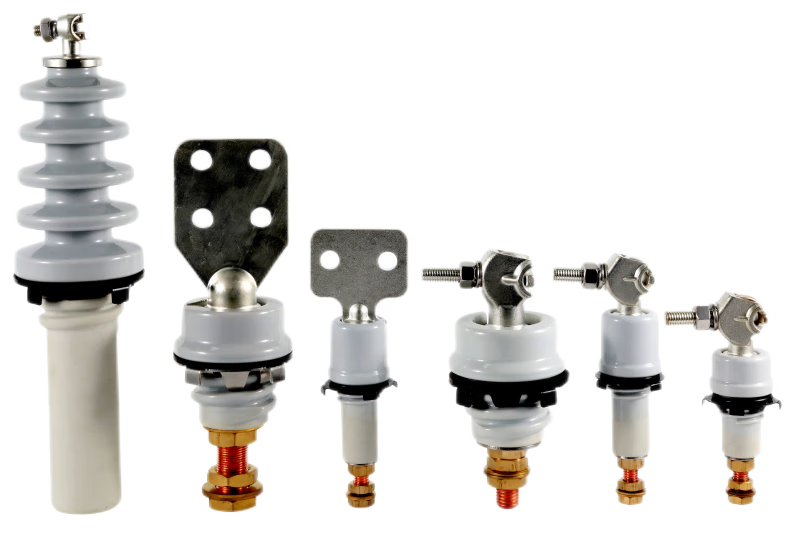
Porcelain insulators use ceramic insulation and are available in several line and equipment configurations. Select the required dimensions, mechanical rating, creepage distance and fitting arrangement. Inspection should account for cracks, damage and the condition of the complete assembly.
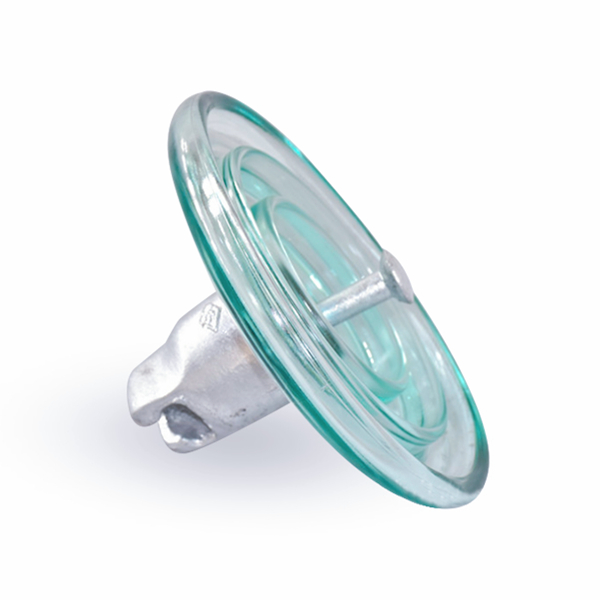
Glass insulators commonly use toughened glass disc units for suspension and tension strings. Their condition can be assessed visually, but the complete assembly must still meet electrical, mechanical and pollution requirements. Suitability is not restricted to one voltage class.
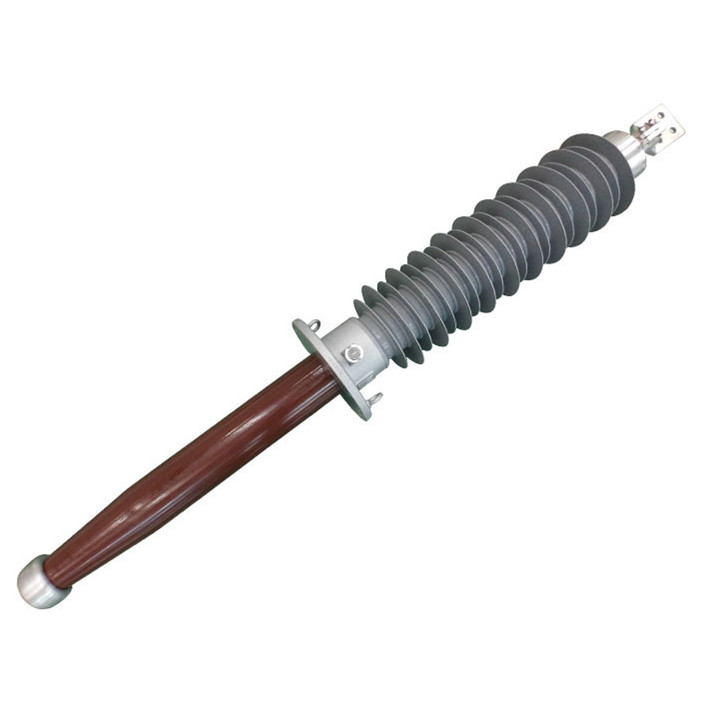
Composite insulators combine an insulating core with a polymer housing and metal fittings. Weight and hydrophobic surface behavior can be useful selection factors. Housing integrity, sealing, handling and the product’s specified mechanical duty remain important.
Porcelain uses a ceramic insulating body. Composite line insulators combine an insulating core with a polymer housing, so they are often called polymer insulators. Compare the complete designs for the required mechanical load, creepage distance, pollution exposure and inspection needs. The material name alone does not establish which product is suitable.
| Selection factor | Porcelain | Toughened glass | Composite |
|---|---|---|---|
| Construction | Ceramic insulation | Toughened glass body | Insulating core and polymer housing |
| Inspection focus | Ceramic and fittings | Glass unit and fittings | Housing, seals and fittings |
| Pollution selection | Profile and creepage requirements | Profile, creepage and optional coating | Housing performance and creepage requirements |
| Handling | Protect the ceramic surface | Protect units and metal connections | Protect housing and end fittings |
Both materials are used for line insulation. For suspension strings, compare the specified glass and porcelain disc units by mechanical rating, profile, coupling dimensions and electrical test requirements. Use ratings for the finished unit rather than a generic dielectric-strength figure for the material.
Use the same project requirements when comparing materials: voltage and insulation duty, mechanical load, pollution conditions, creepage distance, installation geometry and test documentation. Avoid using generic material strength figures as a substitute for the finished product’s tested rating.
Review the types of insulators in the NJREC range, then send your project specification for selection support.