Transmission line hardware connects conductors, insulator strings and supporting structures. Clamps and fittings must suit the mechanical duty, conductor or connection dimensions, material and corrosion protection requirements. Not every fitting is a current-carrying component.
 |
 |
 |
 |
 |
Welcome to contact us if you want to know more products. |
| Item | Tension Clamp | Suspension Clamp | U Bolt | Tower Attachment | Ball Clevis |
| Materials | Aluminum alloy | Aluminum alloy | Hot dip galvanized steel | Hot dip galvanized steel | Hot dip galvanized steel |
| Minimum breaking strength | 70KN / 120KN | 70KN / 120KN | 70KN / 120KN / 160KN | 70KN / 120KN / 160KN | 70KN / 120KN / 160KN |
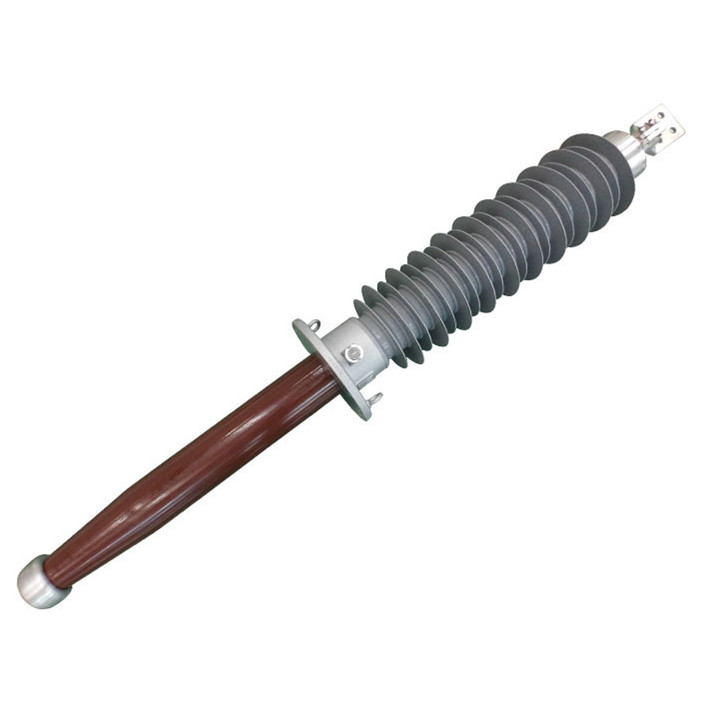
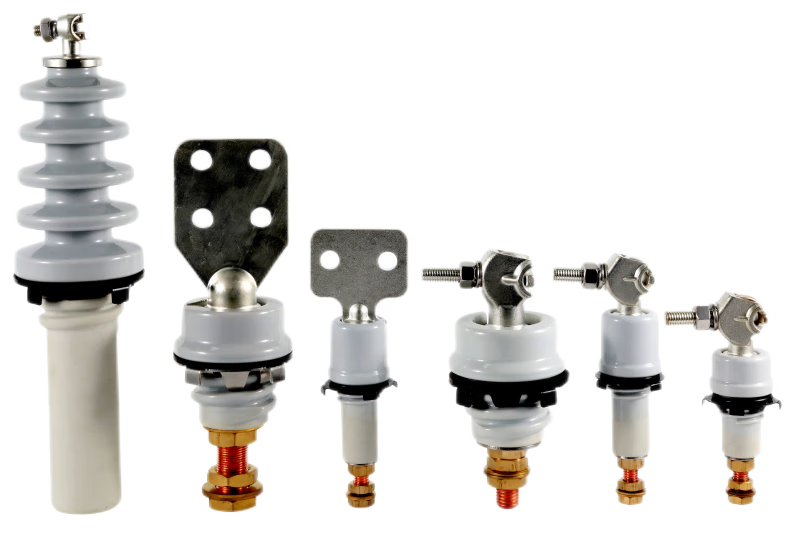
A tension clamp anchors a conductor at a dead-end or strain location, while a suspension clamp supports it along a line span. U-bolts, tower attachments and ball-clevis fittings connect the insulator string and support structure. The parts shown in the image groups also include other line accessories; select each item by its own drawing and duty.
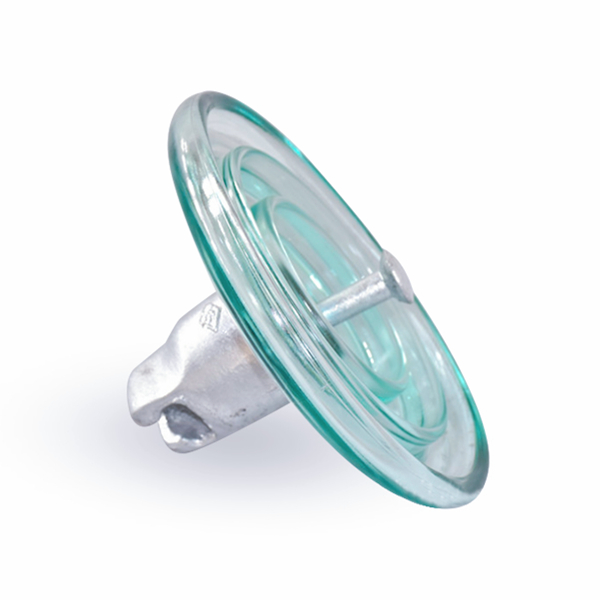
Confirm the conductor or fitting size, connection geometry, required breaking strength and material finish. The published values in the table apply to the listed options; the approved drawing and project specification determine the final assembly. Review NJREC glass insulators and send the hardware drawing for compatibility review.
Send the conductor size and type, insulator coupling size, assembly drawing, required mechanical load, material or finish, quantity and project location. For ball-and-socket connection geometry, see ball-and-socket connections for insulator strings. The types of transmission line insulators guide provides context for string arrangement.
IEC 61284: Overhead lines – Requirements and tests for fittings covers fittings for overhead lines above 45 kV and may be applied to lower-voltage lines where specified. Confirm the applicable standard and test requirements in the project documents.