Voltamp’s expansion in Oman creates potential opportunities for transformer bushing suppliers while highlighting the need for early product selection, technical documentation and delivery planning. For transformer manufacturers, the priority is finding suppliers whose products meet the required electrical ratings, installation interfaces and service conditions. Bushings intended for Middle Eastern installations require particular attention to high temperatures, coastal corrosion and sealing reliability. Those fitted to export transformers must be specified for conditions at their final destination.
Voltamp Energy SAOG plans to establish a power transformer manufacturing facility in Sohar Freezone. According to the Oman Observer, the project involves an estimated investment of OMR 20 million, a planned production capacity of 5,000 MVA and Phase 1 completion during 2027. The facility will operate through a wholly owned subsidiary and primarily serve international export markets.
For bushing suppliers, the opportunity lies in the preparation needed to turn this investment into operational manufacturing capacity. As a factory moves from construction to production, transformer designs, component specifications, supplier assessments and testing arrangements must come together. Suppliers that provide clear technical data and interface drawings can support discussions early in that process.
As transformer production expands, manufacturers need to confirm that bushing suppliers can provide the required models and quantities on schedule. Even with new buildings and assembly equipment ready, late delivery of essential bushings can delay transformer assembly and subsequent testing.
Voltamp’s planned 5,000 MVA facility illustrates why procurement must develop alongside the factory’s product mix. Different transformer voltage classes and capacities may require multiple bushing specifications. Model availability, design reviews and any additional testing should therefore be checked before batch production is scheduled. Additional transformer capacity does not automatically bring a matching increase in available bushing supply.
For example, if a new production line is scheduled to assemble a batch of transformers in a particular month, the procurement team should work backwards from that milestone. Bushing arrival, transport, factory testing and manufacturing must all be allowed for, with specifications and drawings approved beforehand. Waiting until transformer assembly begins could restrict both product choices and delivery options. This is an illustrative planning scenario, not a supply problem reported by Voltamp.
Coordinated planning means translating transformer models, batch quantities and production milestones into a practical bushing purchasing schedule. For a new factory, checking suppliers’ product coverage and delivery capability early helps turn installed manufacturing capacity into transformers ready for delivery.
Bushing selection should begin with service conditions and transformer interfaces, followed by insulation technology and model selection. IEC 60137 specifies characteristics and tests for insulated bushings within its scope, but each project must still define its ratings, installation conditions and additional requirements.
| Item to Confirm | Information Required from the Buyer | Purpose |
|---|---|---|
| Electrical ratings | Highest voltage for equipment, rated current, frequency and required withstand voltage levels | Match current-carrying capability and insulation performance to the transformer |
| Insulation and connection media | OIP, RIP or RIS requirements; oil-to-air, oil-to-oil or other connections | Suit the equipment design, operating conditions and maintenance approach |
| Mechanical interfaces | Flange, mounting holes, oil-end length, terminals, installation angle and mechanical loads | Confirm installation and connection compatibility |
| Service environment | Ambient and oil temperatures, altitude, pollution and corrosive exposure | Assess thermal performance, external insulation and metal protection |
| Acceptance and delivery | Standards, tests, documents, witnessing requirements and required delivery date | Align the supply package with acceptance procedures and production schedules |
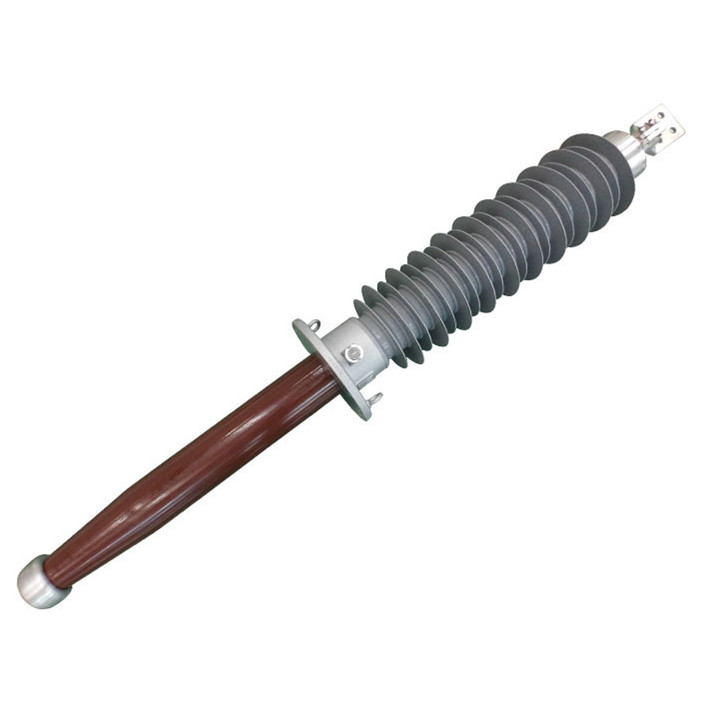
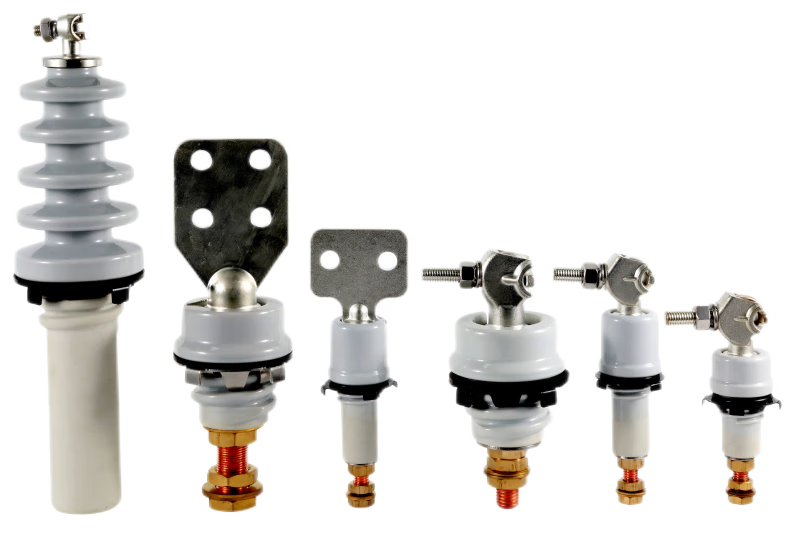
OIP, RIP and RIS should not be selected simply by labelling one technology “traditional” and another “advanced.” Buyers should compare their suitability for the insulation system, available space, service environment and maintenance requirements. NJREC’s condenser bushing range offers different insulation technologies and connection arrangements for initial screening, followed by a model-specific technical review.
Test documentation also needs to be relevant to the selected product. Reports for other models may demonstrate supplier capability, but their applicability and acceptance must be checked against the project requirements.
The transformer’s manufacturing location and final installation site must be considered separately. Export equipment may face different temperatures, altitudes and pollution levels, while equipment installed in the Middle East requires assessment against local site conditions.
High temperatures affect thermal design margins. Maximum ambient temperature should be considered alongside loading, transformer oil temperature and permitted temperature rise. Maximum ambient temperature, average ambient temperature and temperature rise are distinct parameters. For operation at 50°C or above, buyers should confirm the appropriate configuration and applicable current rating.
Corrosion protection must reflect actual exposure. Inland, coastal and industrial locations can present different risks. Flange and fastener materials, surface treatments and protective systems should be assessed together; stainless steel fasteners alone do not establish compliance with a complete corrosion specification. ISO 12944 distinguishes atmospheric environments by corrosivity. Where a project uses an older designation such as C5-M, the applicable edition and acceptance requirements should also be specified.
OIP bushings require seals compatible with the insulating oil. Heat resistance alone is insufficient: oil type, compound formulation and contact location all matter. Seal manufacturer guidance identifies standard EPDM as unsuitable for contact with mineral oil, so it should not be treated as a general-purpose oil-side sealing option. Vacuum oil impregnation and seal design serve different functions and require separate process controls.
Regional readiness should therefore be demonstrated through defined product configurations and supporting documentation. For OETC, SEC or EPC projects, buyers should provide the applicable technical specifications for review rather than assuming requirements from the country alone.
As a transformer bushing manufacturer and supplier, NJREC has prepared product configurations addressing the heat, corrosion and sealing challenges of Middle Eastern projects. These measures support manufacturers and procurement teams responding to regional investment and changing supply requirements.
For thermal performance, relevant NJREC bushings are designed for a maximum ambient temperature of 50°C, with an optional 55°C version. Increased thermal design margins accommodate demanding conditions, while rated current, oil temperature and project-specific temperature-rise limits are reviewed together during selection.
For inland projects specified for C3 environments, NJREC uses hot-dip galvanizing for flanges and fasteners. Coastal projects with high salt exposure can be supplied with stainless steel fasteners and heavy-duty flange corrosion protection. The protection system is selected against the project’s stated C5-M requirements or other clearly defined specification, including its applicable edition.
For OIP bushings, NJREC has strengthened vacuum oil impregnation and sealing reliability controls. Oil-contact seals are selected for compatibility with the fluid and operating temperature, including suitable fluorocarbon rubber compounds.
Customers can send NJREC their bushing specifications, installation drawings and site conditions to review product configurations, documentation and supply arrangements. Early technical discussions help align the proposed bushing with the transformer design and procurement schedule before an order is finalized.