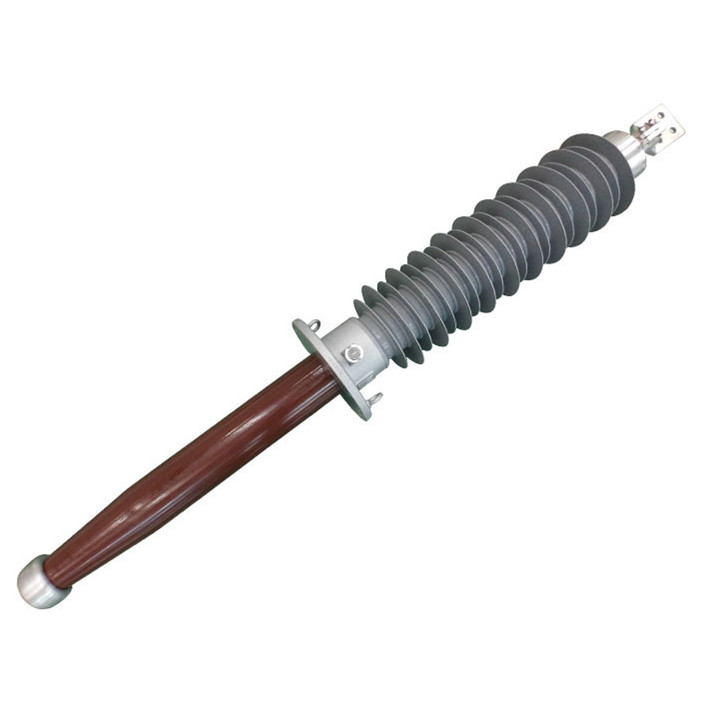
What is the function of an insulator in a transmission line? It provides electrical isolation between live conductors and grounded towers, together with mechanical support for the loads required by the line design.

The insulating body provides separation between the conductor and its support. Air clearances and surface creepage distance also affect insulation performance. Under wet and polluted conditions, contamination on the surface can increase leakage current and flashover risk.
Insulators and their fittings carry conductor weight and forces associated with tension, wind and other specified loading. Suspension and tension arrangements have different duties. Select the unit rating and complete string assembly against the project’s mechanical requirements.
Surface leakage is current flowing along the insulation surface. Flashover is an external discharge through the surrounding air, while puncture is breakdown through the insulating body. The correct design, profile and maintenance practices help manage these different failure mechanisms.
The role of a transmission line insulator concerns electrical conduction and dielectric performance. Explanations about heat moving from hot to cold describe thermal insulation and do not explain how an overhead line insulator is selected.
Specify electrical duty, mechanical loading, string configuration, creepage distance, pollution environment and fittings. Glass, porcelain and composite designs should be evaluated against the same project requirements rather than by material name alone.
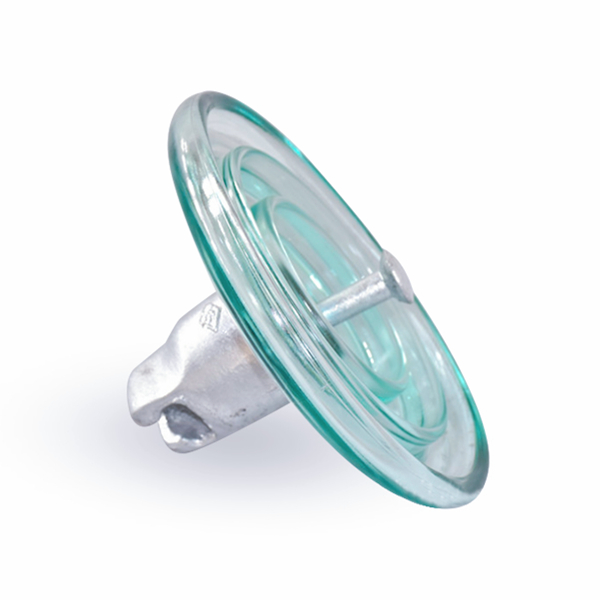
To see these functions in a glass-disc application, read what glass insulators are used for. Unit requirements and tests are described in IEC 60383-1 on the official IEC Webstore.
Review the NJREC glass insulator range and contact us with the electrical rating, application, dimensions or drawing, quantity and delivery destination. Product suitability should be confirmed against the project specification.