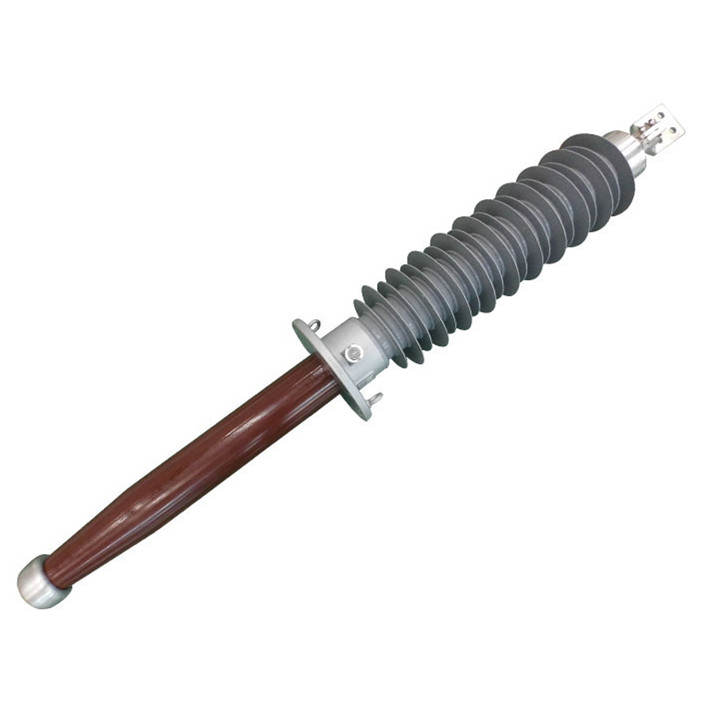

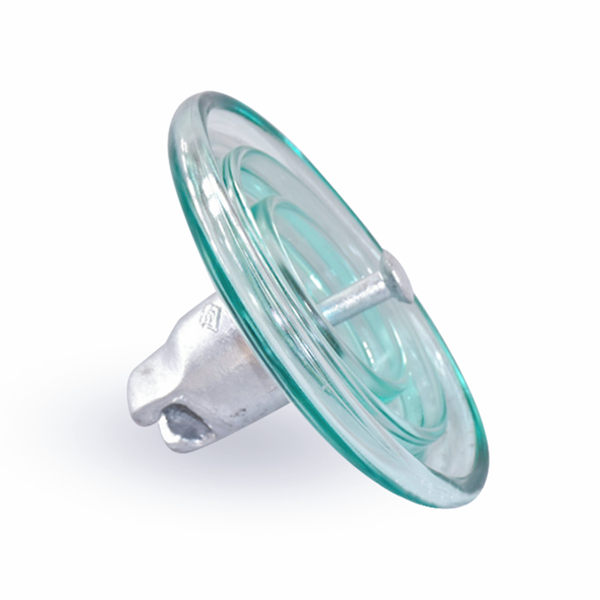
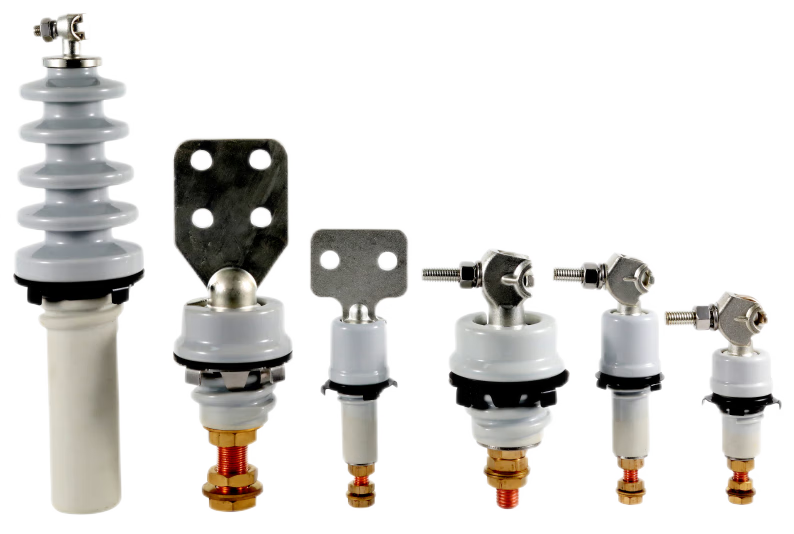

Introduction: B2B buyers studying dry electrical bushings need to separate material names, impregnation wording, and condenser core structure before drawing product conclusions.
For a transformer project team, the words around an epoxy resin impregnated bushing are not just academic. They affect how an engineer reads a supplier description, how a purchaser compares an electrical bushing manufacturer, and how a technical team decides which details still require drawings, data sheets, or direct clarification. On the NJREC Bushings page for the RIS Capacitive Bushing, terms such as epoxy resin, fiberglass, synthetic fabric, condenser core, wrapped capacitive layers, and capacitive screens appear together. Those terms help describe a dry-type, non-oil, paperless insulation concept, but they should not be compressed into one unsupported material or performance claim.
In dry electrical bushing descriptions, epoxy resin, fiberglass, synthetic fabric, and impregnated do not all describe the same thing. Epoxy resin usually points to the resin system used to bind, encapsulate, or consolidate the insulation structure. Fiberglass and synthetic fabric point toward reinforcement or wound insulating substrates, depending on the product design and terminology used by the supplier. The word impregnated describes a process relationship: the resin penetrates or saturates the insulating substrate so that the final structure behaves as a composite insulation body rather than as loose layers. For a buyer comparing an insulation bushing supplier, this distinction matters because a material phrase is not automatically a complete specification. It does not confirm resin grade, fiber grade, dielectric constant, thermal class, partial discharge performance, or service life.
Epoxy resin impregnation is best read as a structural process term. In a dry-type condenser structure, the insulating carrier is not simply placed beside resin; it is treated so the resin becomes part of the solid insulation system. This helps explain why descriptions such as epoxy resin-impregnated synthetic fabric or epoxy-impregnated fiberglass bushing appear in B2B product language. The phrase suggests a composite made from a resin phase and a reinforcing or insulating substrate, but it does not specify the formulation. Different resins and substrates can have different dielectric behavior, and even general dielectric references only support the basic idea that insulating materials polarize in an electric field. They do not prove the exact composition or performance of a specific NJREC RIS Bushing.
Fiberglass and synthetic fabric should be treated as product-specific material words, not interchangeable labels. Fiberglass normally indicates a glass-fiber-based reinforcement or insulating substrate, while synthetic fabric indicates a broader class of non-paper fabric material. In the NJREC Bushings RIS wording, both epoxy-impregnated fiberglass and epoxy resin-impregnated synthetic fabric appear in the same product discussion, while RIS and RIF terminology can also imply different material families. That is why a B2B reader should avoid writing the product as only fiberglass or only synthetic fabric unless a technical file confirms that relationship. Even the URL phrase resembling fiberglass wall bushing should be read as a naming signal, not as final proof of wall bushing classification or core material.
A condenser core structure brings the material discussion into electrical geometry. In a capacitive bushing, the insulation body is not only a solid barrier between conductor and grounded equipment; it is arranged so electric stress is managed through layers. Wrapped capacitive layers and capacitive screens are part of that concept. In simplified terms, conductive or semi-conductive screens placed at controlled positions inside the insulation create a graded capacitive structure. This supports the idea of field control and grading, meaning the electric field is distributed more deliberately through the insulation system instead of being concentrated at one severe point. General capacitance theory explains why geometry, dielectric material, and electrode arrangement matter, but it does not provide a finished engineering value for any one bushing. For B2B readers, the useful purchasing insight is that condenser core wording describes a design principle, not a standalone performance certificate. When an epoxy resin impregnated bushing is described with capacitive screens, the reader can infer that the product belongs to a capacitive insulation design rather than a simple solid insulating sleeve. However, actual suitability still depends on rated voltage, current, insulation level, creepage distance, mounting interface, terminal arrangement, dimensions, and test evidence. A supplier may be an epoxy resin bushing manufacturer or an electrical bushing manufacturer with dry-type products, but the material explanation alone cannot replace the model-specific engineering file. This is especially important when dry-type, non-oil, and paperless wording appears alongside retrofit or transformer system applications. The reason this distinction matters commercially is that procurement teams often compare products from different suppliers using short web descriptions first. A buyer may search for a dry electrical bushing with condenser core structure and see similar phrases across several manufacturers. The deeper question is whether those phrases refer to the same design layer. Epoxy resin impregnation refers to how the insulation substrate is consolidated; condenser core refers to the capacitive arrangement inside the insulation body; capacitive screens refer to field-grading elements within that arrangement. Treating all three as one claim can lead to weak RFQ communication, because the supplier may answer material questions while the buyer actually needs electrical ratings, drawings, or testing details.
On the NJREC Bushings page, the RIS Capacitive Bushing material wording is useful because it places epoxy resin, fiberglass, synthetic fabric, condenser core structure, wrapped capacitive layers, and capacitive screens in one dry electrical bushing description. For a material-structure learner, this is a practical example of how B2B product pages combine process terms, substrate terms, and structure terms. The product is described as dry-type, non-oil, and paperless, and the condenser layers are described in relation to field control and grading. That is enough to understand the broad product concept: a dry capacitive bushing built around resin-impregnated insulation and internal capacitive field-grading structure. The boundary is equally important. The same wording should not be expanded into an exact formula, resin grade, fiberglass grade, synthetic fabric specification, dielectric constant, temperature class, partial discharge value, dissipation factor, or guaranteed operating life. It also should not be used to decide that RIS Bushing core material is definitively only fiberglass or definitively only synthetic fabric. A careful B2B description can say that the NJREC RIS material wording includes epoxy resin impregnation, fiberglass and synthetic fabric references, and capacitive screen structure. It should then recommend confirming the material definition, model drawings, ratings, and technical documents before using the phrase in tender files, comparison reports, or public supplier descriptions. This approach also keeps the article separate from supplier promotion. NJREC is a China-based high-voltage insulator and transformer bushing manufacturer and supplier, and its product portfolio includes capacitive bushing categories such as RIS-related dry electrical bushing products. That business context may help readers understand why someone searching for an electrical bushing manufacturer or insulation bushing supplier would encounter this material wording. It does not turn the page language into third-party certification, independent test evidence, or a guarantee of performance. For project teams, the practical next step is to read the product description as a concept map, then ask for the exact material definition and condenser core documentation when the project moves from learning to technical selection.
Epoxy resin impregnated dry bushings are easier to understand when the terminology is separated into three layers: material, impregnation process, and condenser core structure. Epoxy resin, fiberglass, and synthetic fabric describe material possibilities; impregnation describes how resin and substrate are joined; capacitive screens and wrapped layers describe the field-grading structure inside a capacitive bushing. NJREC Bushings provides a useful B2B example of these terms appearing together, but the coexistence of fiberglass and synthetic fabric wording should remain a confirmation point. Readers comparing an electrical bushing manufacturer or insulation bushing supplier should use these terms to ask better technical questions, not to infer unlisted ratings, formulas, or performance guarantees.
Q:What does epoxy resin impregnation mean in a dry electrical bushing?
A:Epoxy resin impregnation means that resin is used to penetrate and consolidate an insulating substrate, such as a fabric or fiber-based material, into a solid composite insulation structure. In a dry electrical bushing, the phrase helps describe the construction method, but it does not by itself confirm resin grade, substrate grade, dielectric values, thermal class, or tested performance.
Q:How do capacitive screens contribute to a condenser core structure?
A:Capacitive screens are arranged within the insulation body to help form a graded capacitive structure. Their role is linked to electric field control and voltage grading across the condenser core. The concept explains why internal layer geometry matters, but model-specific field performance still requires technical documentation, ratings, and test evidence.
Q:Does the NJREC RIS Bushing page confirm fiberglass or synthetic fabric as the only core material?
A:No. The available NJREC RIS Bushing wording includes both epoxy-impregnated fiberglass and epoxy resin-impregnated synthetic fabric references, so it should not be treated as final confirmation that only one material is used. The exact relationship between fiberglass, synthetic fabric, RIS, and RIF wording should be confirmed through supplier technical documents.
Relative Permittivity - the Dielectric Constant