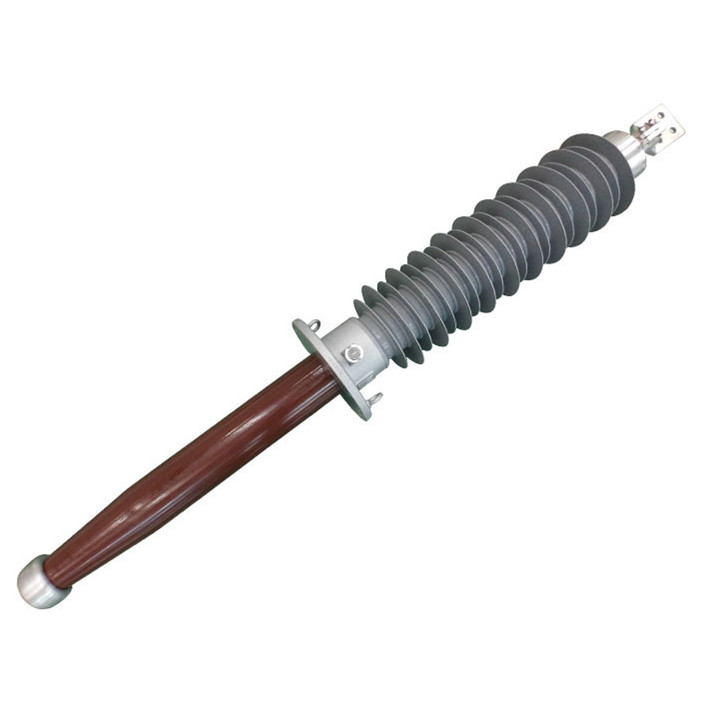
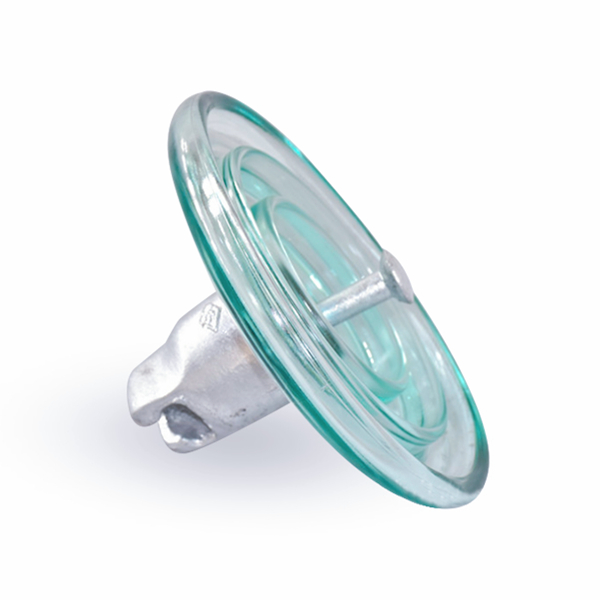
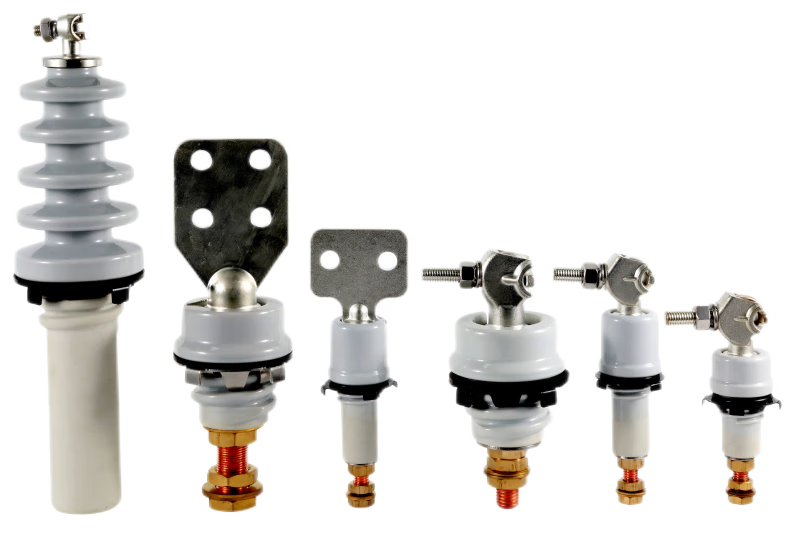
OIP bushings are made by winding insulating paper with conductive grading layers, drying the paper core and impregnating it with insulating oil. The core is assembled with an insulating housing, mounting flange, seals and electrical connections. The finished bushing is then checked and tested before shipment.
OIP stands for oil-impregnated paper. In an OIP transformer bushing, the oil and paper form the main insulation system around the conductor. Manufacturing quality depends on accurate winding, moisture removal, effective oil impregnation and reliable sealing.
The condenser core is housed within an insulating enclosure, with insulating oil occupying the spaces specified by the design. Many oil-to-air OIP transformer bushings use porcelain insulators, although housing materials and the lower-side arrangement vary by model and application.

An oil expansion arrangement accommodates changes in oil volume as temperature varies. These changes can result from ambient conditions and heating during operation. The expansion system may use a gas space or another design-specific arrangement.

Many OIP bushings also have an oil level indicator near the head for visual inspection. The correct oil level and permitted mounting position should be confirmed from the manufacturer's instructions.
Oil-resistant gaskets seal the joints between the insulating housing and metal fittings. Their purpose is to retain the insulating oil and limit moisture ingress.
A mechanical clamping arrangement holds the assembly together and maintains the required sealing pressure. Some designs use springs to accommodate dimensional changes caused by temperature. The exact arrangement depends on the bushing model.
The mounting flange provides the installation interface and supports the bushing. A gasket between the flange and equipment mounting surface provides the specified seal.
Condenser bushings commonly include a test tap for insulation measurements. Some designs also provide a voltage tap or space for a ring-type current transformer. These features must be confirmed for the selected model.
Where specified, a shield at the lower connecting end helps control electrical stress around the terminal inside the oil-filled equipment.
The purpose of an OIP transformer bushing is to provide an insulated electrical connection through the grounded transformer tank. Its conductor carries current, while the oil-impregnated paper insulation separates the energized conductor from the surrounding grounded parts.
An OIP condenser bushing also uses conductive grading layers to control electrical stress within the insulation. Although it is an oil-filled bushing, its insulation performance depends on the paper core, grading layers and oil working together—not simply on the presence of oil.
The OIP bushing manufacturing process involves several connected stages. The main operations are:
The detailed sequence varies by design. Each stage contributes to the finished bushing's insulation performance and mechanical integrity.
OIP bushings are manufactured by winding electrical-grade kraft paper around a central tube or conductor arrangement. Conductive inserts, typically aluminium foil layers, are placed at calculated axial and radial positions within the paper.
These layers control the electric field within the insulation. This capacitance-grading structure is why this design is called an OIP condenser bushing. The foil dimensions and positions depend on the bushing's electrical design.
The wound core must have the specified dimensions and consistent paper placement. Errors in winding or foil positioning can affect the intended electric field distribution.
Before impregnation, the paper core is treated to reduce its moisture content and remove trapped gases. Controlled heating and vacuum drying are used according to the manufacturer's process. Moisture control is important because water can impair the performance of paper insulation.
The dried core is impregnated with suitable insulating oil, commonly transformer-grade mineral oil. Vacuum conditions help the oil penetrate the paper and reduce trapped gas within the insulation. A published study identifies core winding, vacuum drying, assembly and vacuum oil impregnation as principal bushing manufacturing stages.
Effective impregnation helps establish the required oil-paper insulation system. Drying conditions, impregnation time and the assembly sequence vary with the design and manufacturing process; they should not be treated as fixed values for every OIP bushing.
Manufacturing is completed with inspection and testing appropriate to the bushing's design and specified requirements. Checks may include:
Unlike RIP bushings, which use cured resin in the paper core, OIP bushings retain liquid oil as part of their main insulation system. For a detailed comparison, see the differences between RIP and OIP bushings.
Oil-to-oil applications: An oil-to-oil bushing connects electrical circuits across a barrier with oil on both sides. OIP technology can be used for this arrangement, but the housing, terminals and installation interfaces differ from those of an oil-to-air design. Confirm the insulating medium on each side and the approved mounting arrangement before selecting a bushing.
Reliable OIP bushing manufacture depends on controlling the paper winding, drying, impregnation and sealing processes together. When selecting an NJREC OIP condenser bushing, confirm the required voltage, current, insulation level and installation dimensions. You can contact us with your specifications and drawings for product selection support.