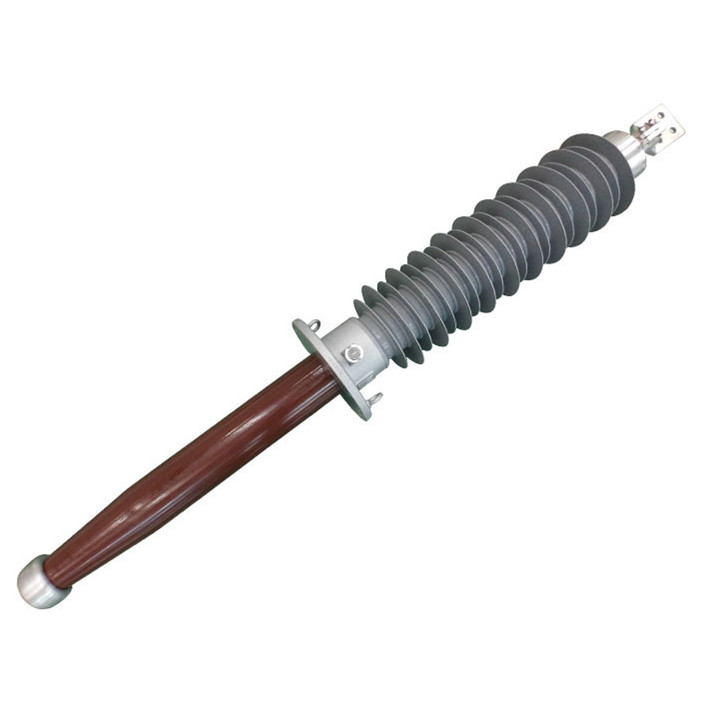
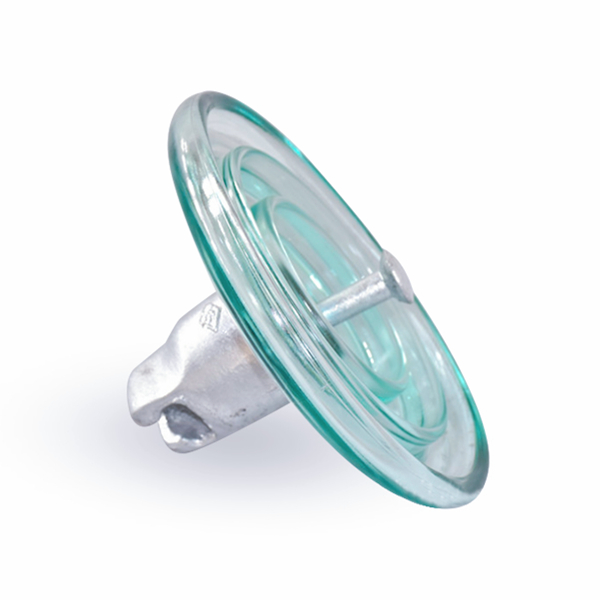
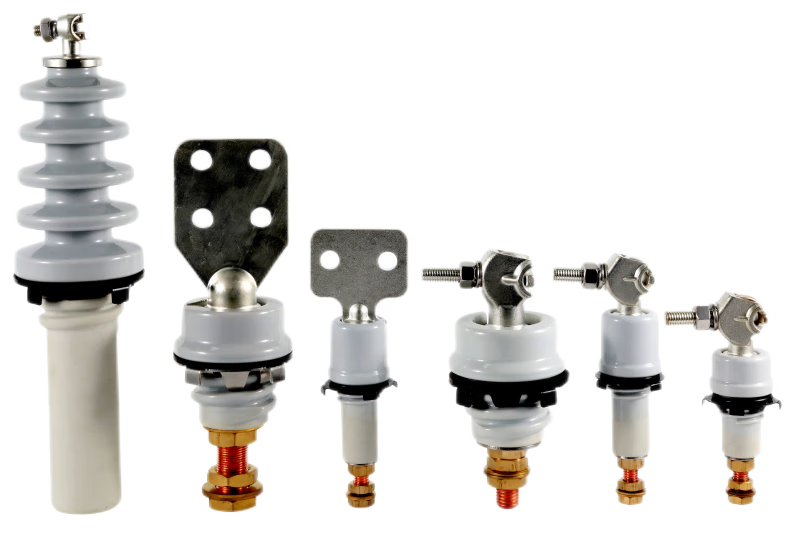
The main difference between a RIP bushing and an OIP bushing is the material used to impregnate the paper insulation core. OIP uses insulating oil that remains liquid during service. RIP uses a curable resin, typically epoxy, to form a solid condenser core. Both technologies are used in transformer bushings, and the suitable choice depends on the electrical ratings, installation requirements and maintenance considerations.
RIP and OIP are condenser-type bushings. Conductive grading layers within the insulation core control electric field distribution. The insulated conductor carries current through the grounded transformer enclosure.
OIP stands for Oil Impregnated Paper. An OIP transformer bushing has a core wound from paper and conductive grading layers. The core is dried and impregnated with an insulating liquid, generally transformer-grade mineral oil.
OIP is an established insulation technology. Moisture ingress, oil leakage and excessive operating temperatures can affect its insulation performance. Sealing integrity, oil condition and installation requirements should therefore be checked according to the instructions for the specific model.
An OIP bushing may offer a lower initial purchase cost than a comparable RIP design, although actual pricing depends on the specification. NJREC supplies OIP capacitive bushings for customers evaluating oil-impregnated paper insulation.

Cross-sectional view of an OIP condenser bushing.
The core is contained within an insulating housing, commonly porcelain. In many OIP designs, the space between the core and housing is filled with insulating oil. Housing materials and internal arrangements vary by model.
An oil-level indicator and a test tap may be provided, depending on the design. The central conductor connects the external terminal to the transformer winding.
RIP stands for Resin Impregnated Paper. A RIP condenser bushing uses a paper core with conductive grading layers, impregnated with curable resin. Controlled impregnation and curing produce solid main insulation.

Cross-sectional view of a RIP condenser bushing.
In a resin impregnated paper (RIP) transformer bushing, epoxy resin is typically used to impregnate the paper core. Unlike an OIP core, the cured RIP core does not rely on liquid oil as its impregnation medium during service.
A RIP bushing can use porcelain or composite external insulation. The medium between the core and housing depends on the design. The core insulation technology and external housing material should be specified separately.
Dry-type refers to the solid main insulation. A RIP bushing may still operate with one end immersed in transformer oil. The solid core reduces maintenance associated with core insulating oil, but the manufacturer's inspection and electrical testing requirements still apply.
| Comparison | OIP Bushing | RIP Bushing |
|---|---|---|
| Full form | Oil Impregnated Paper | Resin Impregnated Paper |
| Core impregnation | Insulating oil | Curable resin, typically epoxy |
| Impregnation medium in service | Liquid oil | Solid cured resin |
| Inspection considerations | Sealing, oil condition and specified electrical checks | Specified mechanical and electrical checks; no liquid impregnation oil in the core |
| Initial purchase cost | May be lower for comparable specifications | Compare the actual quotation and project requirements |
Neither technology is the best choice for every transformer. Confirm the voltage, current, insulation level, operating interface and installation dimensions. Then compare the environmental conditions, maintenance requirements and cost. An OIP-to-RIP replacement also requires checks of the flange, terminals, insertion length and clearances.
NJREC supplies OIP and RIP capacitive bushings and supports selection based on project requirements. You can contact NJREC for bushing selection and quotation with the electrical ratings, operating interface, dimensional drawing, installation environment, quantity and applicable standard.