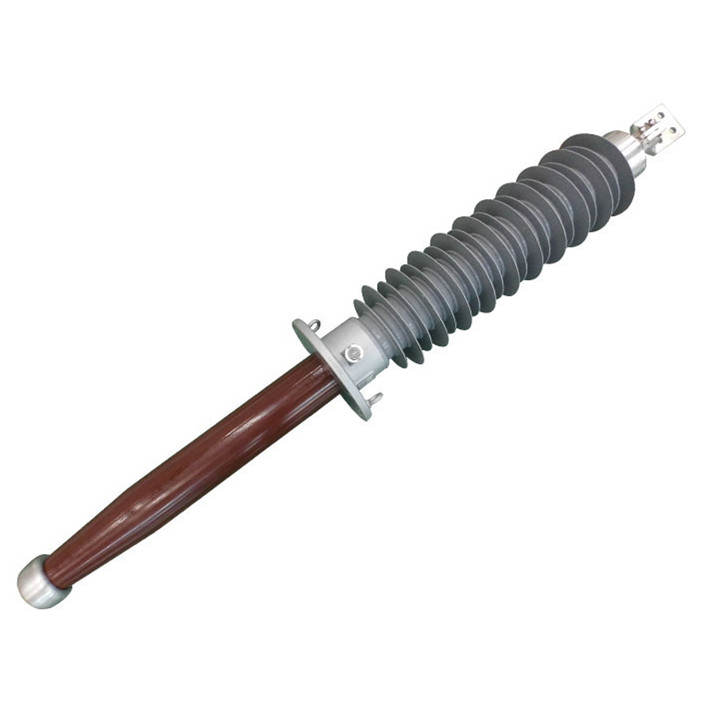

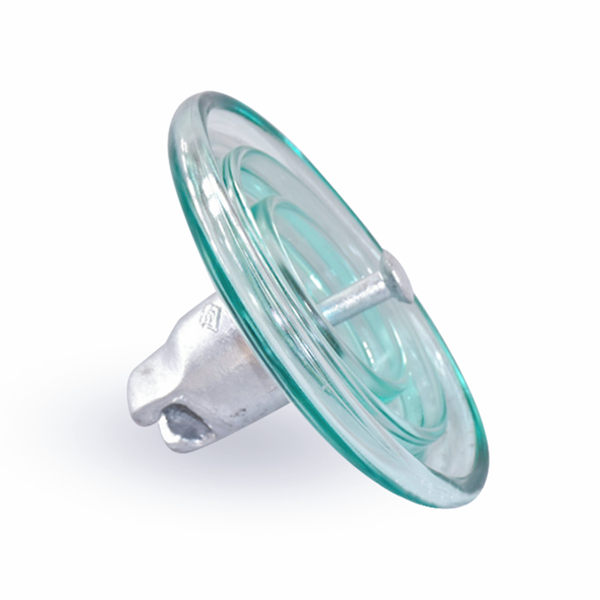

Introduction: Transformer bushings with one-piece porcelain, diverse connectors, and strict quality control reliably support up to 50 amps at 15–27 kV, enhancing power distribution system durability.
In industries where electrical reliability is paramount, the quality and construction of transformer bushings often dictate overall system resilience. Transformer bushing manufacturers recognize the critical role these components play in insulating and supporting high-voltage connections within power transformers. A misstep in their design or material quality can cascade into mechanical failures or electrical faults, disrupting sensitive operations. By focusing on robust manufacturing techniques and stringent standards, transformer bushing suppliers ensure these insulators withstand the demanding environments of power distribution, providing operators peace of mind amid complex electrical networks.
One-piece porcelain manufacturing has become a defining advancement among transformer bushing manufacturers aiming to improve mechanical durability. Traditional multi-part bushings, joined together with seals or adhesives, introduce potential weak points where mechanical stress can cause failure. In contrast, a single, wet-processed porcelain piece offers exceptional uniformity and strength, capable of resisting heavy mechanical forces such as cantilever loads and internal pressures found in power transformers. This monolithic design provides more consistent tensile resilience under operating conditions, reducing the risk of cracks or leaks. Additionally, the one-piece construction simplifies assembly, decreasing the likelihood of installation errors often encountered with segmented bushings. Transformer bushing suppliers prioritizing this manufacturing approach offer solutions tailored for longevity and reliability, which directly benefits the stability of electrical systems. The porcelains used are carefully glazed in light gray, enhancing surface hardness and environmental resistance, thereby extending the operational life of these components. Overall, incorporating one-piece porcelain bushings addresses both mechanical reliability and ease of upkeep—a critical factor in power distribution challenges.
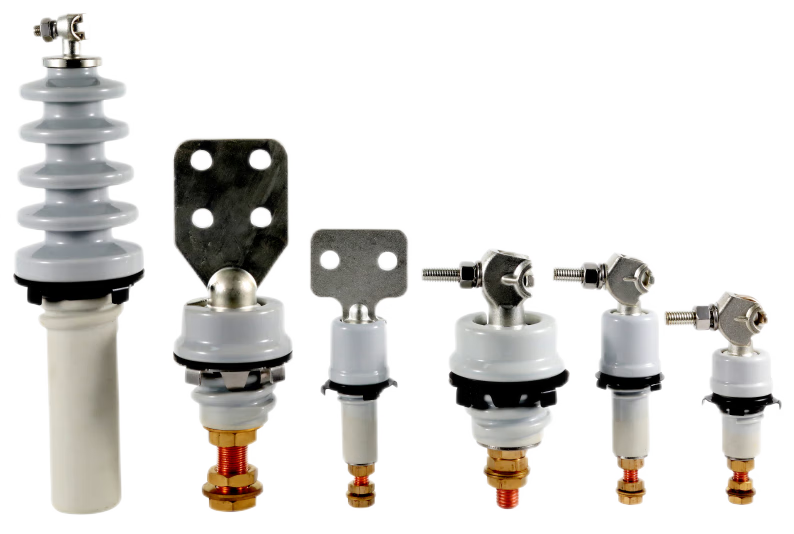
Transformer bushing suppliers offer a range of connector styles precisely to meet the varied demands of transformer installations around the globe. Eyebolt, spade, threaded stud, and sidewall connectors each present distinct advantages in different setups, enabling tailored integration with transformers and associated switchgear. This variety from transformer bushing manufacturers simplifies logistics and improves field adaptability, as electrical engineers and technicians can select the connector best suited for specific mounting configurations and operational safety requirements. For instance, eyebolt connectors allow for secure bolted connections in systems where vibration might be an issue, while threaded studs provide robust attachment points for heavy-duty cable terminations. This assortment not only speeds installation but also enhances safety by reducing the chance of loose connections that could cause electrical faults or outages. Moreover, these connectors are engineered to maintain strong current-carrying capacity and withstand mechanical stresses during both installation and service life. Transformer bushing suppliers who integrate diverse connector options into their product lines demonstrate an understanding of real-world application nuances, helping utilities and industrial users maintain dependable, long-lasting power distribution networks.
Among the key concerns for transformer bushing manufacturers is maintaining strict material quality control throughout production to guarantee consistent performance. Given the critical role of bushings as both electrical insulators and mechanical supports, any variation in raw materials or fabrication methods could lead to reduced dielectric strength or structural vulnerabilities. Wet-process porcelain clays used must conform to tight specifications, ensuring homogeneity and proper firing to achieve the necessary porosity and mechanical integrity. Likewise, glaze application plays a major role in protecting against environmental degradation, chemical exposure, and moisture ingress, which can compromise insulation over time. Transformer bushing suppliers committed to rigorous inspection routines and international standards certifications ensure that each unit meets or exceeds ANSI and IEC requirements, reinforcing reliability under diverse service conditions. This thorough approach helps avoid premature failures from electrical surges or mechanical shocks, safeguarding transformer operations. Manufacturers with considerable experience continuously refine quality processes, incorporating real-world feedback to improve dimensional accuracy and material resilience. Such dedication produces bushings that reliably support high-voltage currents up to 50 amps across voltage levels from 15 to 27 kV, blending mechanical strength with electrical endurance. Ultimately, stringent material control is indispensable for transformer bushing manufacturers striving to deliver components that power industries trust across demanding electrical grids.
As the demands on power distribution infrastructure grow, transformer bushing manufacturers and suppliers play an indispensable role in advancing component reliability through thoughtful design and quality craftsmanship. Their commitment to one-piece porcelain manufacturing addresses mechanical stress vulnerabilities, while diverse connector styles simplify installation and enhance safety to meet varied field environments. Coupled with stringent material quality control, these efforts produce bushings that sustain durable electrical insulation and mechanical support, enabling power systems to operate smoothly and confidently. Such innovations represent a significant step forward for those maintaining and upgrading electrical networks, marking a notable milestone in the evolution of transformer component technology. As transformer bushing suppliers continue to refine their products, their work remains essential for a more stable and resilient future in power distribution.