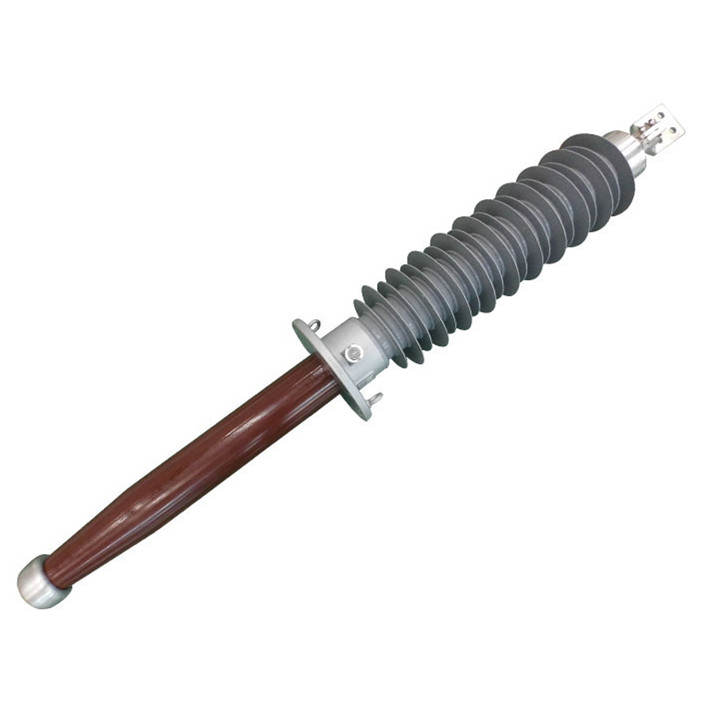

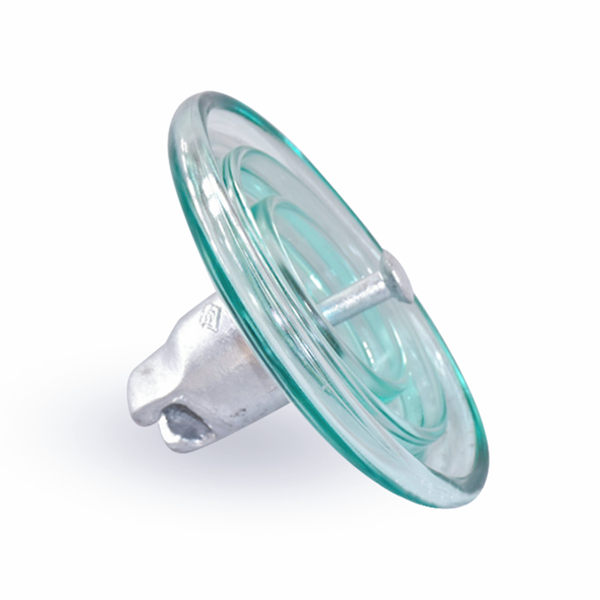
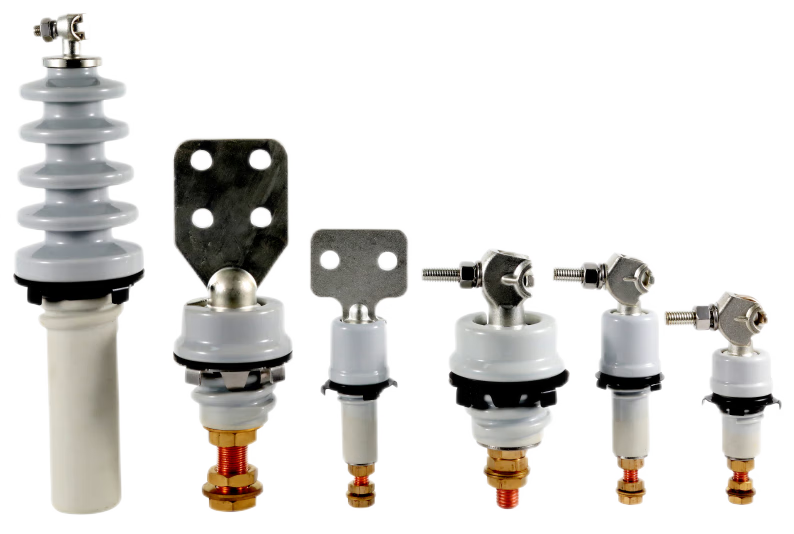

Wall bushings and transformer bushings are both important high-voltage insulation components used to safely carry electrical conductors through grounded barriers. However, they are designed for different installation environments and electrical equipment.
The main difference is simple: a wall bushing allows a high-voltage conductor to pass through a wall or structural barrier, while a transformer bushing connects the internal winding of a transformer to the external power system.
Although their basic insulation functions are similar, their mechanical structure, sealing requirements, electrical design, and operating conditions can be quite different.
A wall bushing, also called a wall-through bushing or feedthrough bushing, is designed to allow an energized conductor to pass safely through a wall, partition, or grounded barrier.
Wall bushings are commonly installed in:
· Substations
· Power plants
· Switchgear buildings
· Converter stations
· Indoor-to-outdoor busbar systems
· High-voltage equipment partitions
For example, when a high-voltage busbar needs to pass from an indoor switchyard to an outdoor area, a wall bushing provides the required electrical insulation between the conductor and the grounded wall.
Depending on the application, wall bushings may use porcelain, composite insulation, RIP, or RIS technology.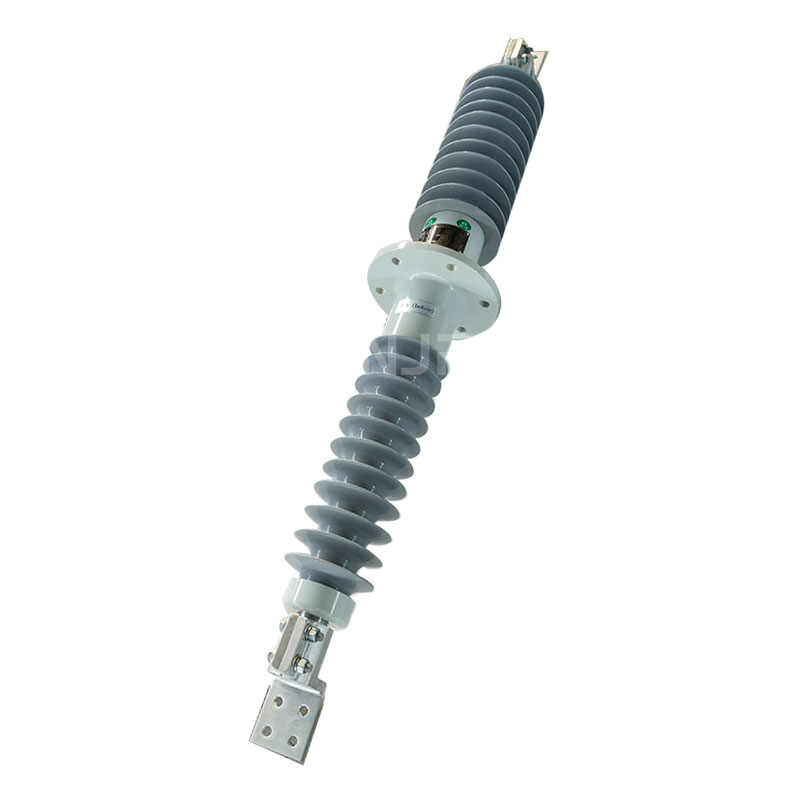
A transformer bushing is installed on the transformer tank and provides an insulated path for electrical conductors between the internal transformer winding and the external power network.
Its primary functions include:
· Carrying operating current
· Providing electrical insulation
· Controlling the electric field
· Maintaining transformer tank sealing
· Connecting transformer windings to external conductors
Transformer bushings are widely used on power transformers, distribution transformers, generator transformers, and other high-voltage transformer equipment.
High-voltage transformer bushings often use condenser-type insulation systems such as OIP, RIP, or RIS.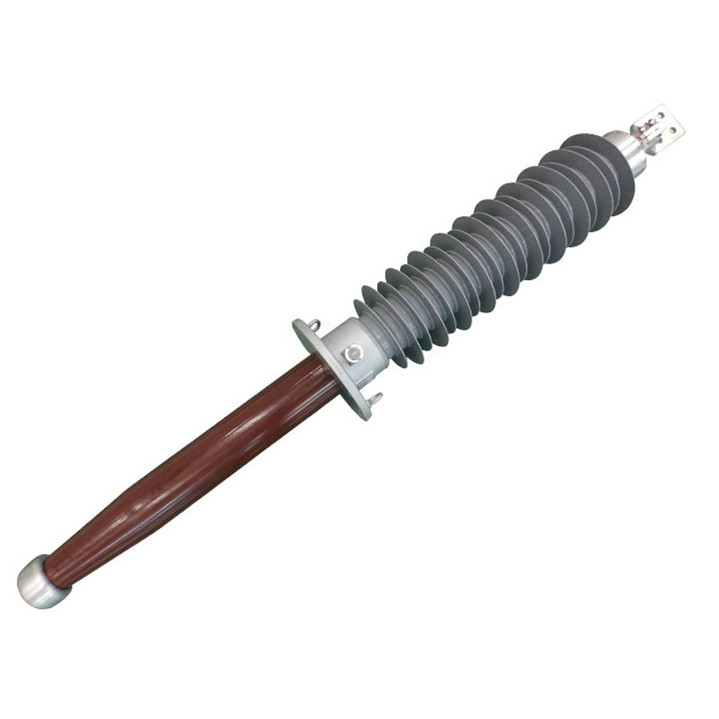
The most important differences can be summarized as follows:
|
Feature |
Wall Bushing |
Transformer Bushing |
|
Main Function |
Allows a conductor to pass through a wall or barrier |
Connects transformer winding to external power system |
|
Installation Position |
Wall, partition, switchgear building, substation structure |
Transformer tank |
|
Connected Equipment |
Busbar or conductor on both sides |
Transformer winding on one side |
|
Transformer Oil Contact |
Usually not required |
Often required depending on design |
|
Sealing Requirement |
Mainly structural and environmental sealing |
Transformer oil and gas sealing can be critical |
|
Electrical Design Focus |
External insulation and wall clearance |
Internal and external insulation plus field control |
|
Mechanical Design Focus |
Flange mounting and cantilever strength |
Tank mounting, terminal load, sealing and short-circuit forces |
|
Common Technologies |
Porcelain, Composite, RIP, RIS |
OIP, RIP, RIS |
|
Typical Applications |
Substations, power plants, converter stations |
Power transformers and generator transformers |
The clearest difference between a wall bushing and a transformer bushing is the installation location.
A wall bushing is normally installed through a building wall or equipment barrier.
For example:
Indoor Busbar → Wall Bushing → Outdoor Busbar
The wall bushing electrically isolates the energized conductor from the grounded wall while maintaining sufficient insulation distance on both sides.
A transformer bushing, by comparison, is mounted directly on the transformer tank.
Its connection is typically:
Transformer Winding → Transformer Bushing → Busbar or Transmission Connection
Because one end of the transformer bushing may operate inside the transformer, its insulation environment is different from that of a conventional wall bushing.
Wall bushings commonly operate with air insulation on both sides, although actual designs vary according to the installation.
For indoor-to-outdoor wall bushings, the external side may be exposed to:
· Rain
· Dust
· Salt fog
· Industrial pollution
· UV radiation
· Temperature variation
The indoor side may operate in a relatively controlled environment.
Therefore, the creepage distance and insulation profile on the two sides may be different.
Transformer bushings have more complex insulation conditions.
One side may be exposed to air, while the lower part of the bushing may operate inside transformer oil. The design therefore needs to manage electric-field distribution across different insulating media.
Sealing is another major difference.
For wall bushings, sealing mainly prevents moisture, rainwater, dust, or environmental contaminants from entering through the wall opening.
Transformer bushings usually require more demanding sealing performance.
A transformer bushing must maintain the integrity of the transformer tank and prevent problems such as:
· Transformer oil leakage
· Moisture ingress
· Gas leakage
· Contamination of internal insulation
For this reason, flange design and sealing systems are particularly important for transformer bushings.
Both products must withstand operating voltage, lightning impulse voltage, and power-frequency voltage.
However, transformer bushings often require more complex electric-field control.
High-voltage transformer bushings frequently use a condenser core containing conductive grading layers. These layers distribute the electric field more evenly and reduce electrical stress inside the insulation.
Wall bushings can also use condenser-type designs, particularly at higher voltage levels, but the exact construction depends on the voltage class and application.
Wall bushings are normally fixed through a structural wall or mounting plate.
Important mechanical considerations include:
· Cantilever strength
· Flange strength
· Conductor weight
· Busbar forces
· Wind load
· Installation orientation
Transformer bushings must also withstand external mechanical loads, but additional factors may include:
· Transformer vibration
· Short-circuit forces
· Terminal loads
· Tank movement during transportation
· Seismic requirements
Mechanical specifications therefore need to be evaluated according to the actual installation.
The correct choice depends primarily on the installation.
Choose a wall bushing when the conductor needs to pass through:
· A substation wall
· A power plant wall
· A switchgear partition
· A converter station structure
· An indoor-to-outdoor barrier
Choose a transformer bushing when the conductor needs to connect:
· Transformer windings
· Transformer terminals
· External busbars
· Overhead transmission conductors
· High-voltage cables
After determining the application, the next step is to select the appropriate insulation technology, voltage level, current rating, creepage distance, mechanical strength, and terminal configuration when making an electrical bushing selection.
A:Usually no. Wall bushings and transformer bushings are designed for different installation environments and sealing requirements.
A:wall bushing passes a conductor through a wall, while a transformer bushing connects transformer windings to the external power system.
A:Consider voltage, current, insulation type, creepage distance, mechanical strength, and installation environment.