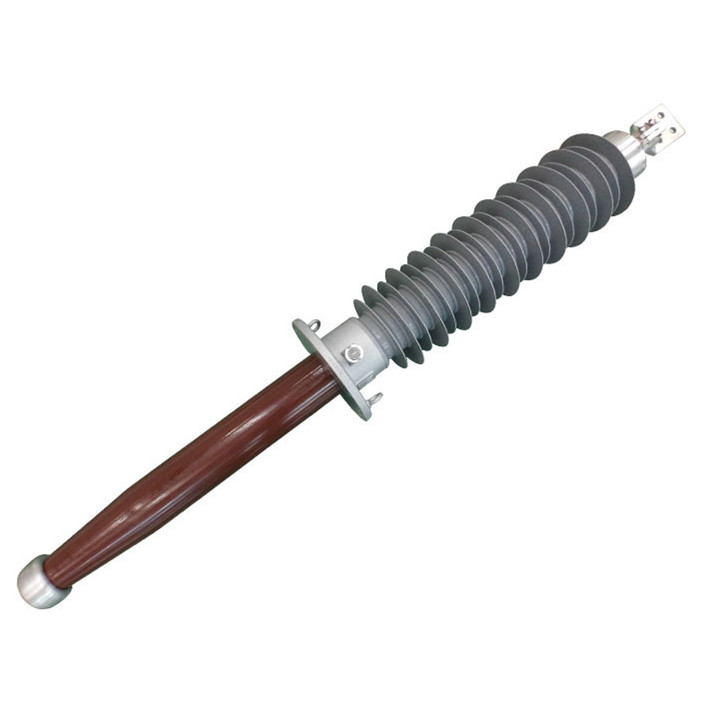

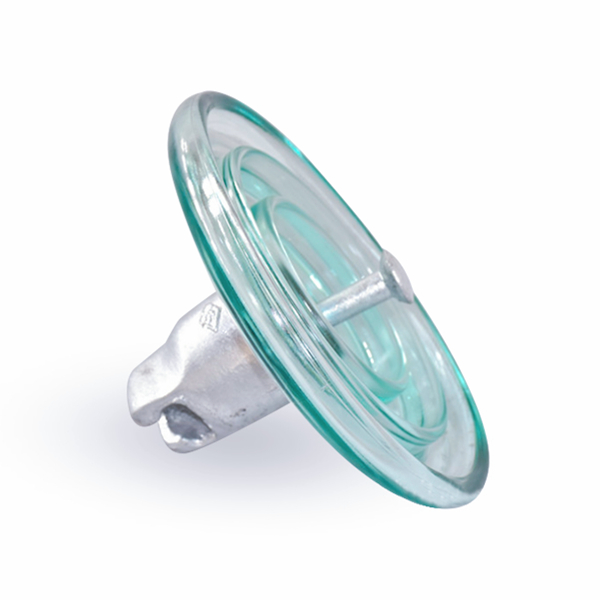
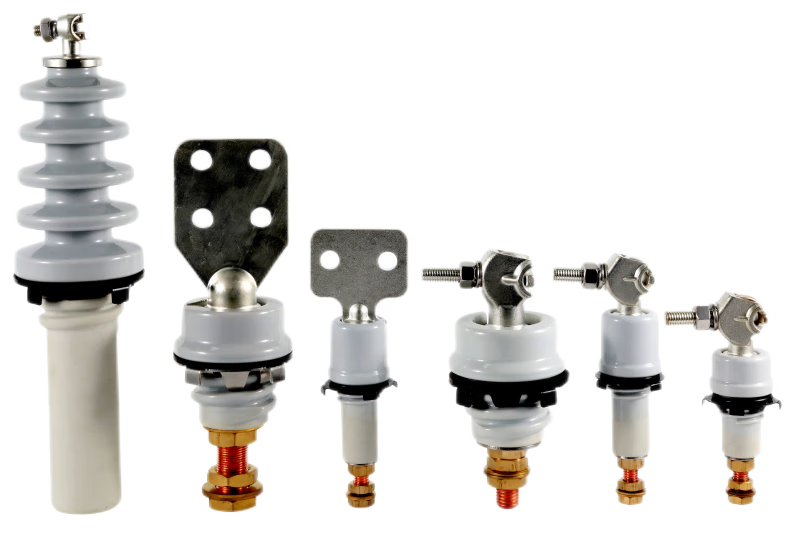

A porcelain wall bushing allows an electrical conductor to pass through a wall or partition while maintaining insulation between the energized conductor and the surrounding grounded structure. Also called a porcelain through-wall bushing, it provides an insulated passage at the barrier rather than simply joining two wires together.
Porcelain wall bushings are selected according to the required electrical ratings, mounting dimensions and operating environment. Reliable performance depends on the complete bushing design and correct installation, not only on the porcelain material.
A porcelain wall bushing includes a porcelain insulating body and a mounting arrangement. Depending on the model, it may incorporate a conductor and terminals or provide an insulated passage for a separate conductor. Flanges and metal fittings secure the assembly to the wall or partition.
 |
 |
Porcelain is a ceramic material, so porcelain bushings fall within the broader category of ceramic bushing insulators. However, ceramic bushings vary in their construction and purpose. The material name alone does not establish a product's voltage rating or suitability for a through-wall installation.
The required specifications depend on the installation. Confirm the following information against the selected model's technical drawing and datasheet before ordering.
| Specification | What to Confirm |
|---|---|
| Voltage and insulation level | The specified equipment voltage and required withstand levels |
| Rated current | The assembly's continuous current rating under the specified service conditions |
| Mounting dimensions | Wall thickness, opening size, flange dimensions and fixing-hole positions |
| Conductor connections | Conductor size, terminal arrangement and connection interfaces |
| Operating environment | Indoor or outdoor service, pollution conditions, creepage distance and temperature requirements |
Operating voltage and withstand test voltage describe different requirements. Use the values specified for the individual model rather than assuming a common rating for all porcelain wall bushings.
Porcelain provides electrical insulation and a durable external insulating surface. Its suitability depends on the bushing geometry, fittings and specified service conditions.
The porcelain body does not rust, but the metal fittings require suitable corrosion protection. Installation, maintenance and environmental requirements apply to the complete assembly.
Porcelain wall bushings are used where conductors must cross walls or partitions in electrical installations. Depending on the design, applications may include substations, switchgear installations and industrial power distribution systems.
A wall-through bushing must provide the required insulation and clearances on both sides of the barrier. Indoor-to-indoor and indoor-to-outdoor arrangements may have different requirements, so the conditions on each side should be specified.
A porcelain transformer bushing and a porcelain wall bushing may look similar, but their mounting interfaces and surrounding insulating media can differ. The difference between wall bushings and transformer bushings should therefore be considered before selecting a replacement.
Select a porcelain wall bushing by matching its electrical ratings, installation dimensions and environmental requirements to the project. For a replacement, provide the existing drawing or nameplate information together with details of the mounting arrangement.
Request the applicable technical documents and test reports for the selected model. For bushings within its scope, IEC 60137 specifies characteristics and tests for insulated bushings used in AC equipment above 1,000 V. Referring to a standard does not, by itself, establish that a particular product has been tested or certified.
A porcelain wall bushing provides insulation at the point where a conductor passes through a barrier. The right choice depends on the complete assembly and its intended service conditions. Explore NJREC's wall bushing range and contact us with your required voltage, current and installation drawings for product selection support.