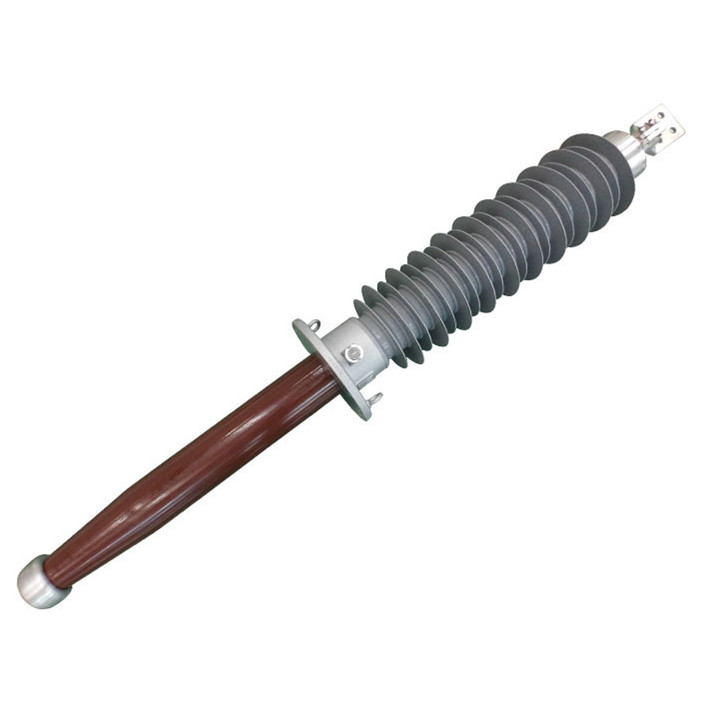
A wall bushing provides an insulated passage for a conductor through a grounded wall, partition or structural barrier. It is used where a power connection must cross between spaces while maintaining the required insulation and mechanical interface.

Wall bushings can connect conductors between indoor and outdoor areas, adjacent electrical rooms, or sections of a substation or power station. The installation drawing defines the barrier, conductor arrangement and required clearances.
For example, a conductor can pass from an indoor busbar through a grounded substation wall to an outdoor connection. The wall bushing insulates that passage and must fit the barrier opening and the connection on both sides.
Possible arrangements include indoor-indoor, outdoor-indoor and outdoor-outdoor installations. The exposed ends may have different environmental duties. Rain, pollution, temperature and installation access should be considered in the specification.
The internal insulation may use solid resin-impregnated construction or another specified design, with suitable external insulation. The operating medium on each side must be stated separately. A wall bushing does not reduce voltage: voltage transformation is performed by the transformer.
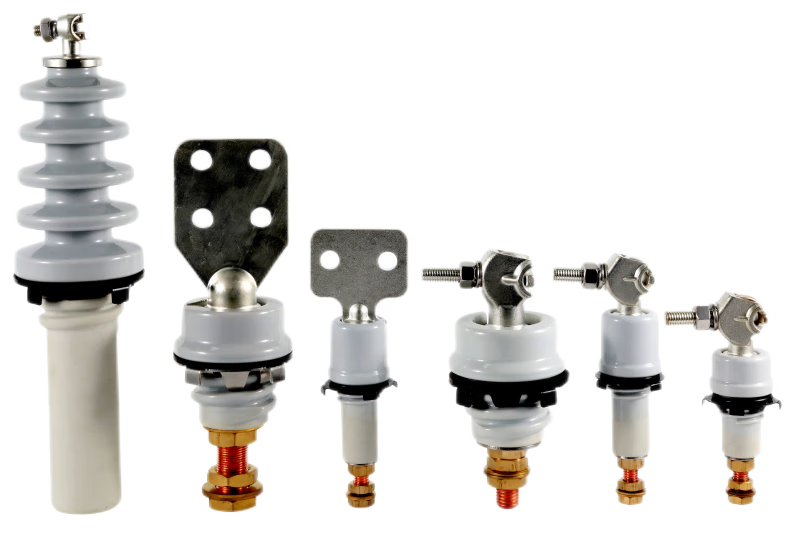
Review the wall bushing range for the available product types. An OIP bushing is a separate product option where the equipment requires oil-impregnated paper insulation; it should not be substituted without checking the application.
A wall bushing is selected for a structural barrier; a transformer bushing is mounted on the equipment tank. See wall bushing vs transformer bushing when the installation interface is uncertain. For applicable AC insulated bushings above 1,000 V, IEC 60137:2017 describes characteristics and tests.
Contact NJREC with your installation drawing and project specification for selection support.